 Hire with us
My Account
Hire with us
My Account
7:30. The alarm goes off. I get up, grab my suitcase with all my team kit and my backpack. I don’t overthink it—everything was already packed the night before.
I get to the factory. 10:30. Time to leave. The team minivan picks us up and takes us to the airport. Everything is perfectly oiled: flights, weekend passes, hotels. There’s a massive team behind this logistics operation that is simply brilliant at what they do.
We get to the airport, all wearing the team travel kit, breeze through security, and wait a bit in a VIP lounge. Grabbing some food, resting, while we all have our laptops out tweaking a few final things before takeoff. There’s always something.
Time to board. The plane is usually just for us—loads of space. Only the team travels on this one and honestly. Otherwise, we are spoiled with business class. It’s a good moment to decompress.
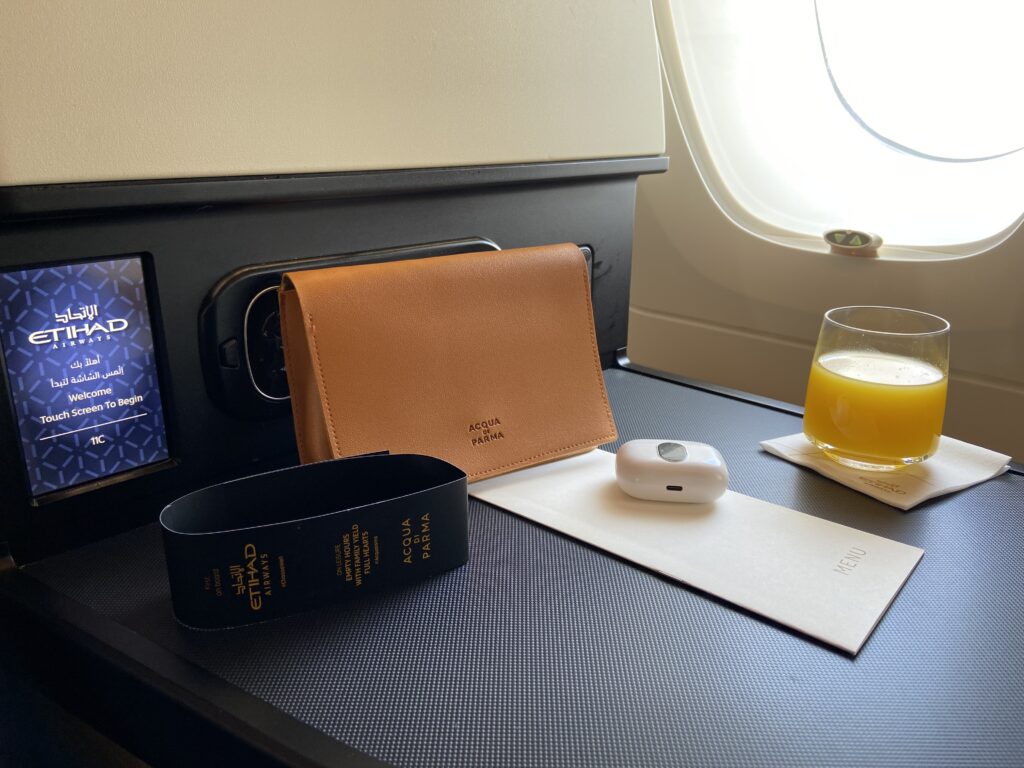
We land. A car takes us straight to the track. Time to start our weekend prep. Most of the pre-event homework and simulation work is already done. Now it’s about fine-tuning the operational details.
We arrive at the circuit and go through accreditation.
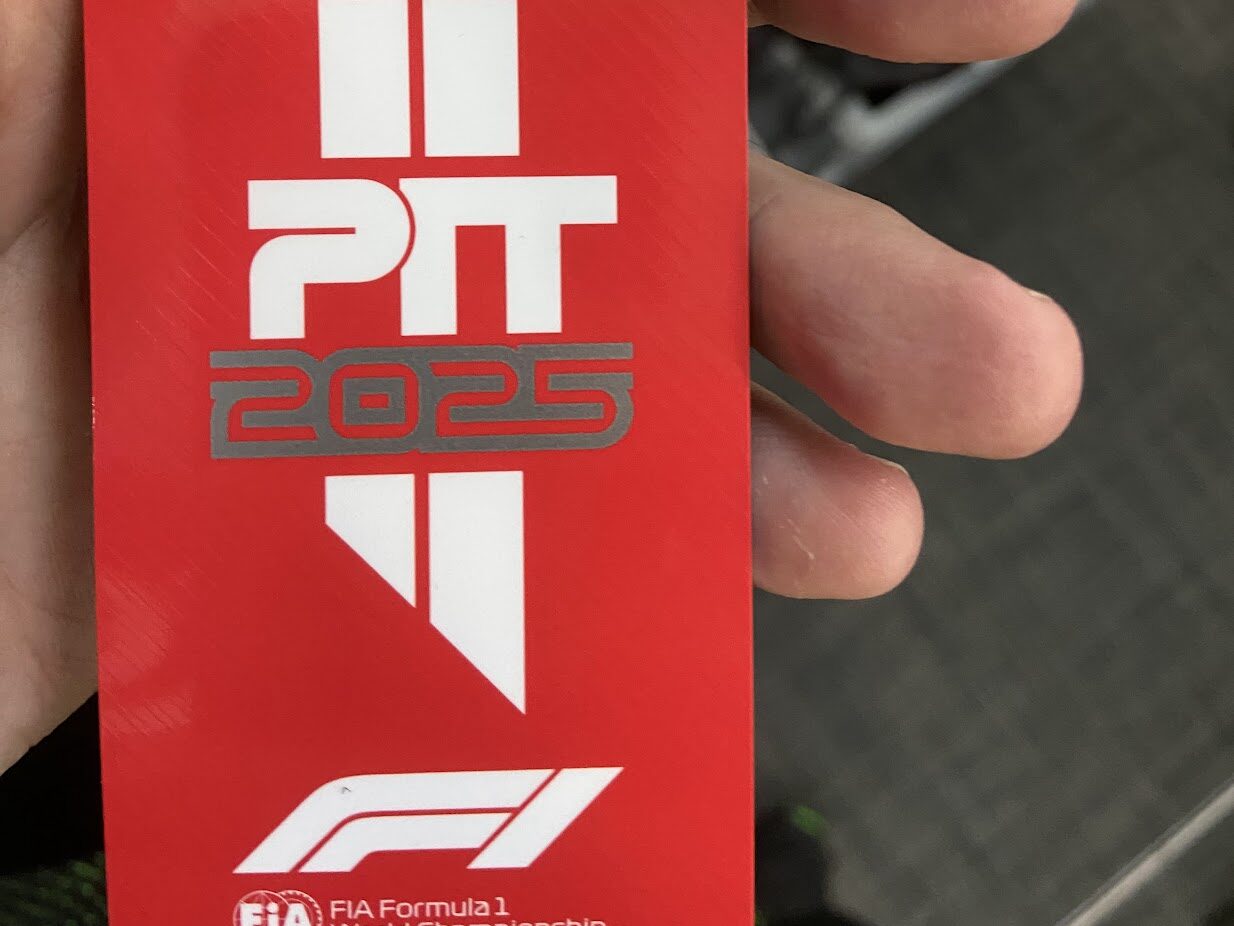
If you’ve ever wondered what those little pockets are for, they are there to keep our accreditations!
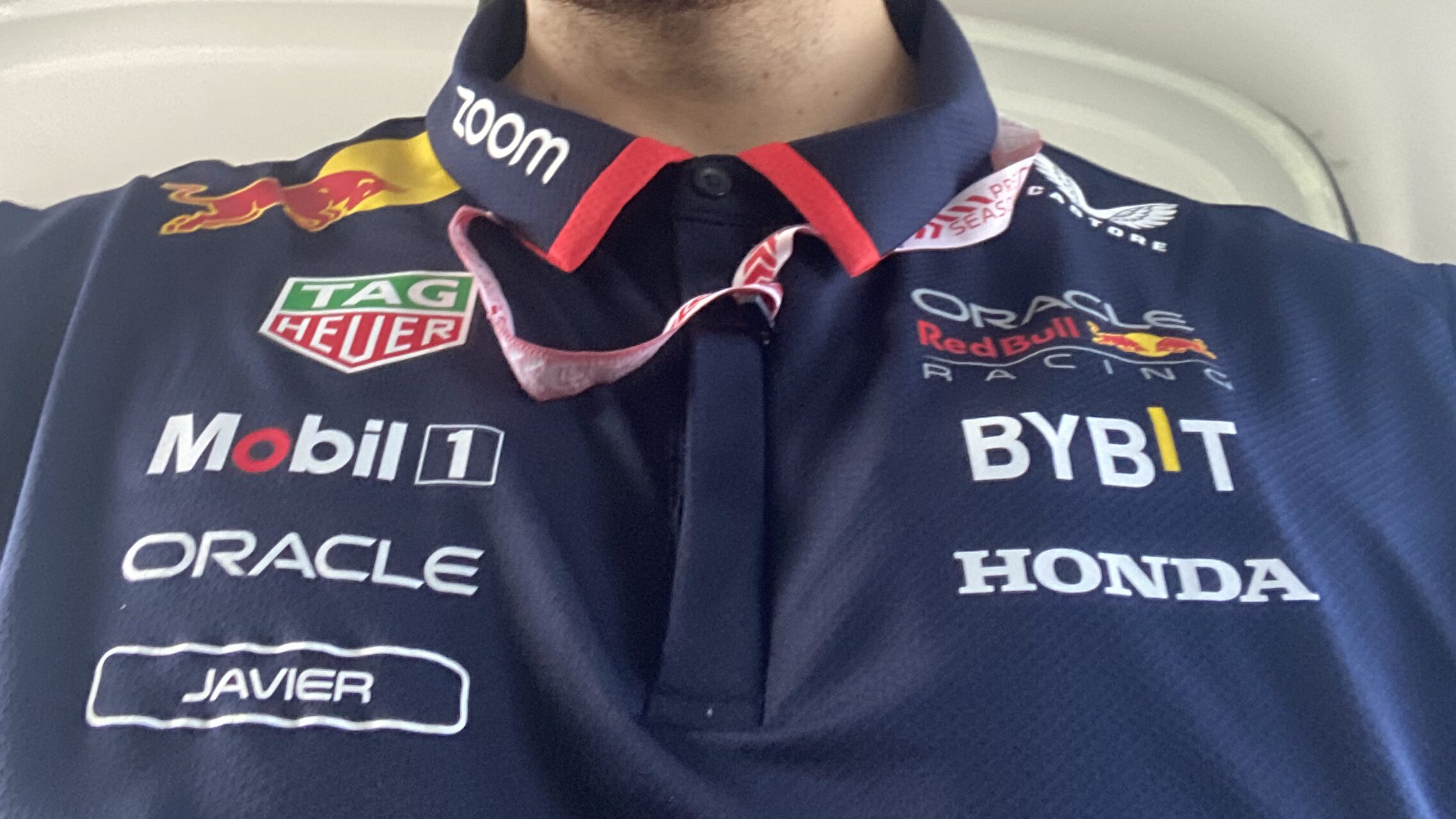
We get to the treehouse—that’s what we call our engineering office, right above the garage—and fire up the computers. Double-check a few things, wrap up our bits. Make sure nothing is out of place. Start getting our heads into the weekend.
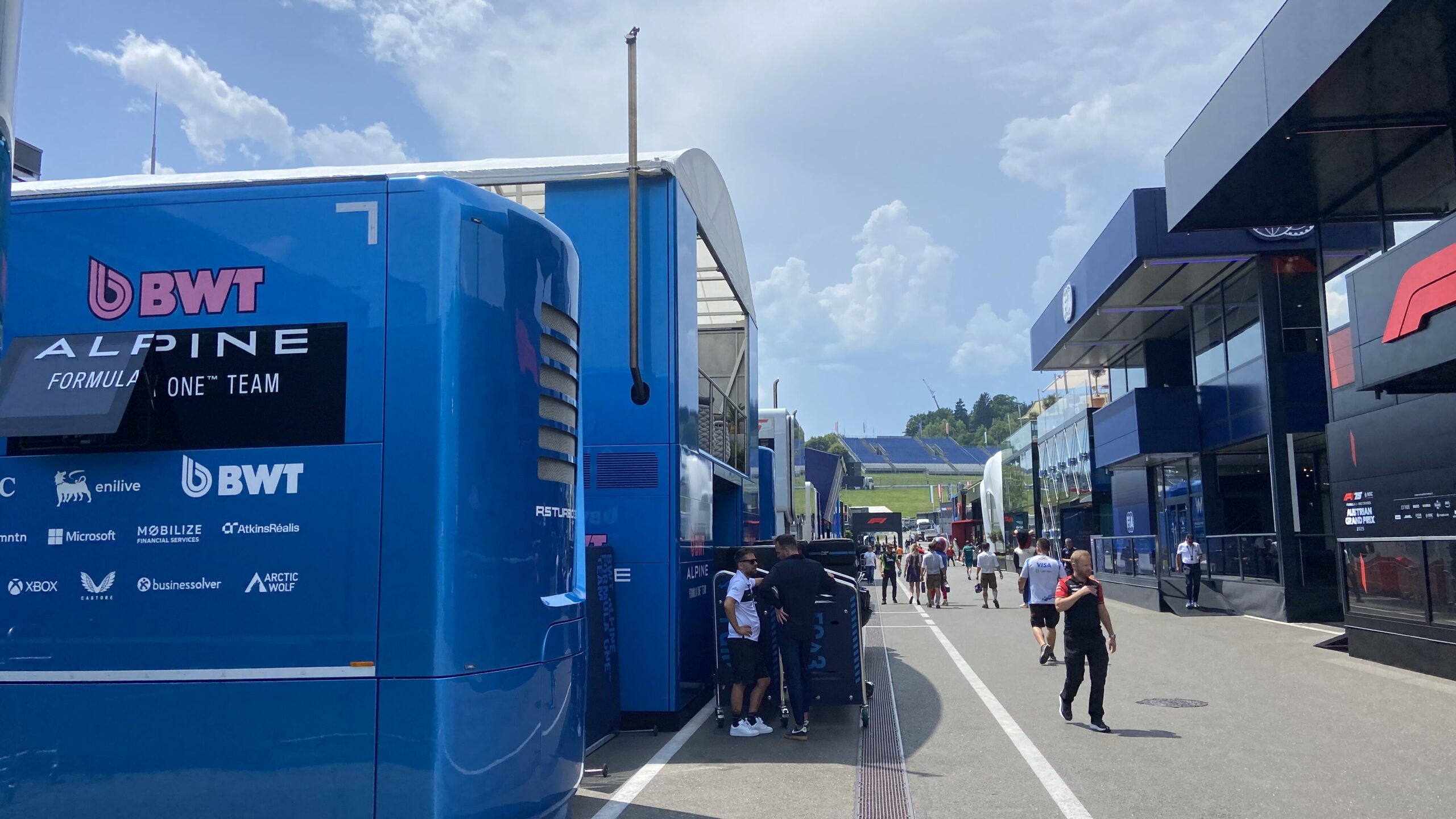
By the time the day wraps up, around 18:30, it’s the perfect moment to get some exercise in. And what better place to run than on an actual race track? Let’s just say I set up my fastest lap time of the weekend right there. The track is packed with other people running, even from rival teams. Good atmosphere.
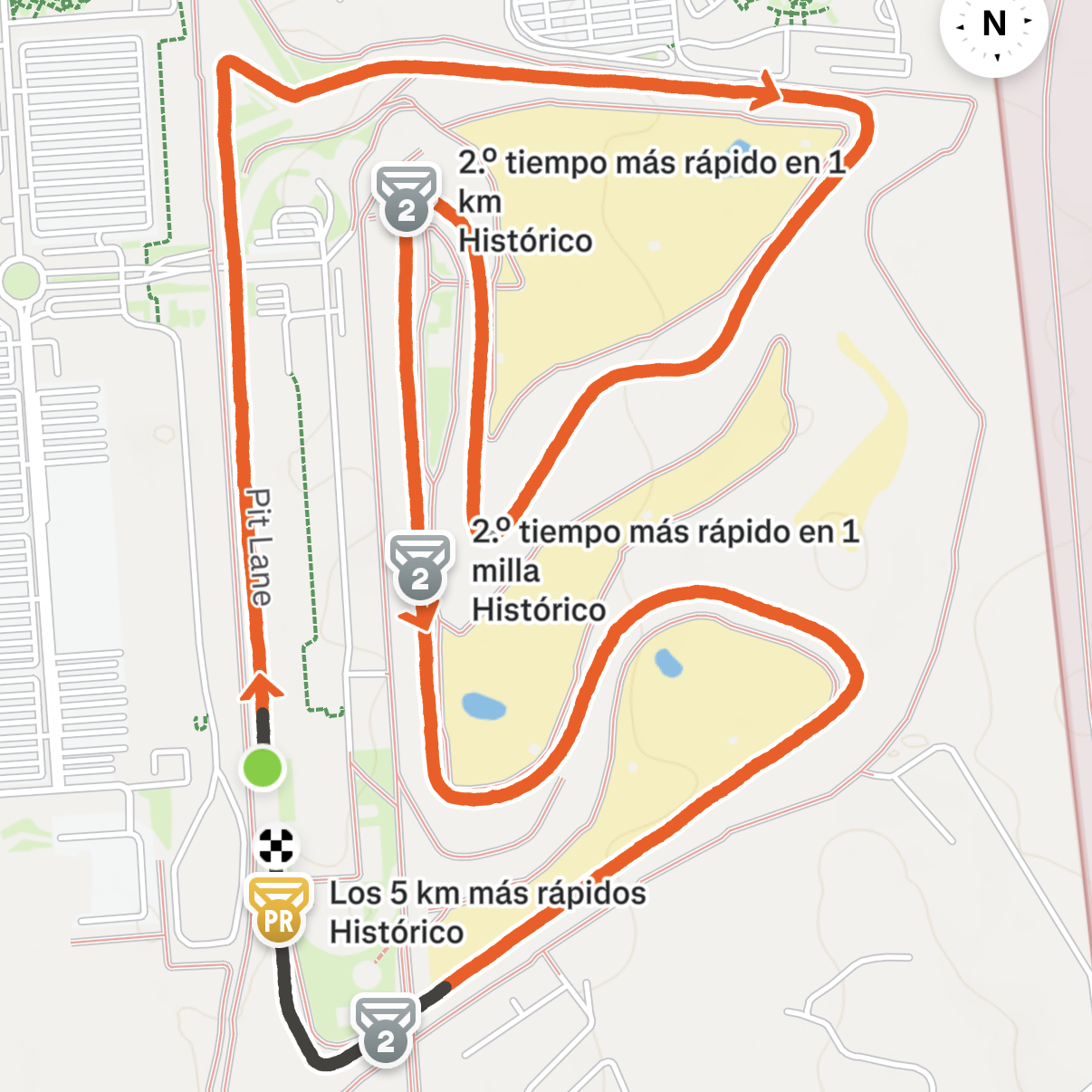
After the run, we call it a day and head to our hotel in the rental vans. A bit of rest after the travel. Usually hotels are quite good so this is also a very rewarding part of the day, coming to your room to relax after such a busy day!
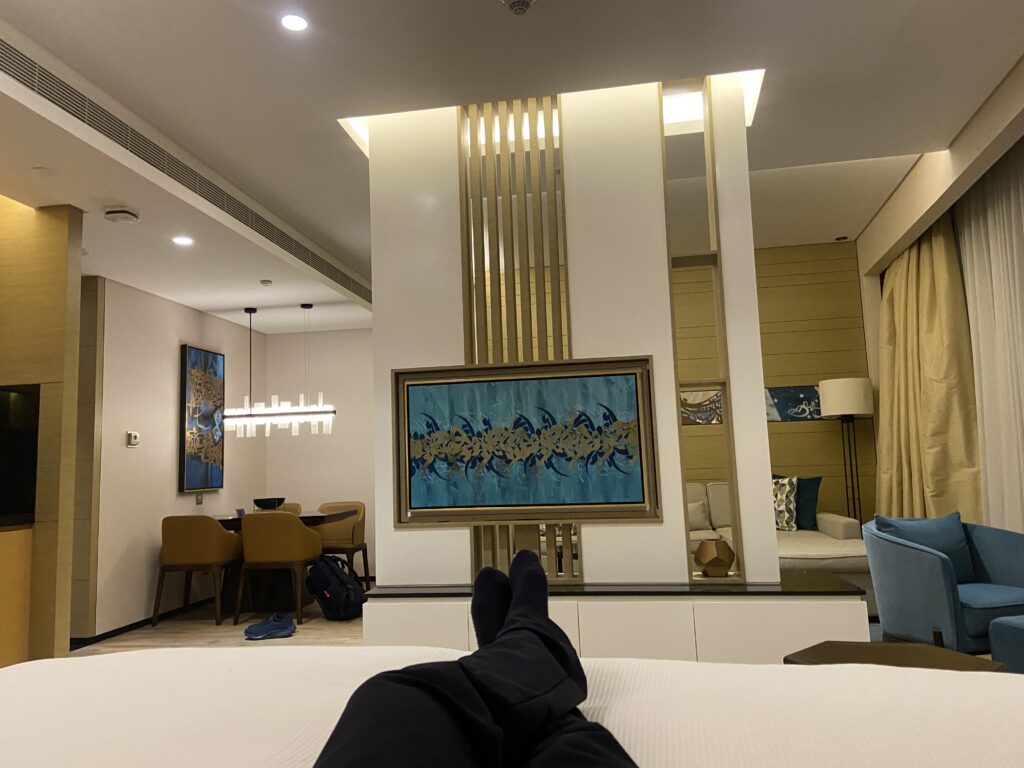
Thursday. Alarm goes off early. Race kit on. Time to head to the track.
Breakfast can be at the hotel or at the hospitality. I usually prefer the hospitality. Better food, I’m close to the team, and I’m already at the track early, near everything. The hospitality food really depends on the team, but generally, it’s always top-notch. Some of them are Michelin-star level. They often do themed stuff too—it’s a nice touch.
We head to the garage to see how things are looking and start the car setup. The treehouse where we engineers work is literally right opposite the garage, super convenient. We’ve got everything we need: water, drinks, snacks.
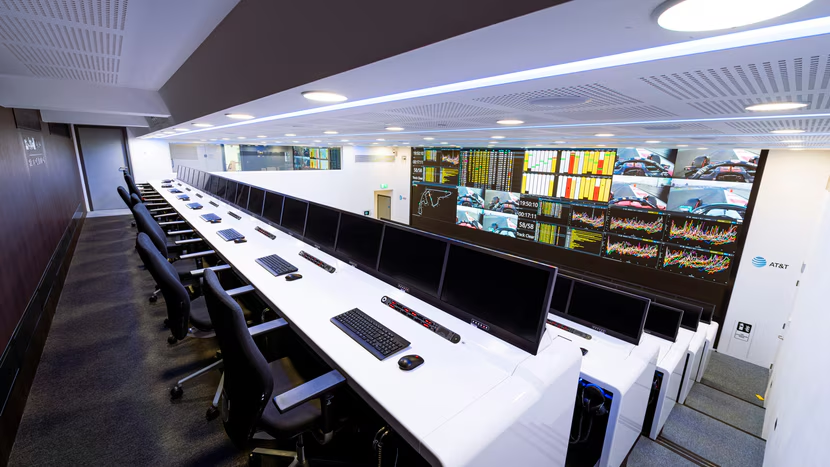
It’s a busy day. Lots of shuttling between the treehouse and the garage to communicate with the mechanics and oversee the setup. Thursday—or D0 as we call it—is when the meetings start piling up. Maximum interaction between departments. These meetings happen on the intercom, with headsets connecting us to the factory back home. Back there, they’re all in a dedicated operations room with screens, live radio, real-time data, and full access to everything we have. That’s actually where I am on the weekends I’m not at the track—which is most of them, to be honest.
End of the day. Same routine: a gentle run around the circuit. Dinner at hospitality. Back to the hotel to rest.
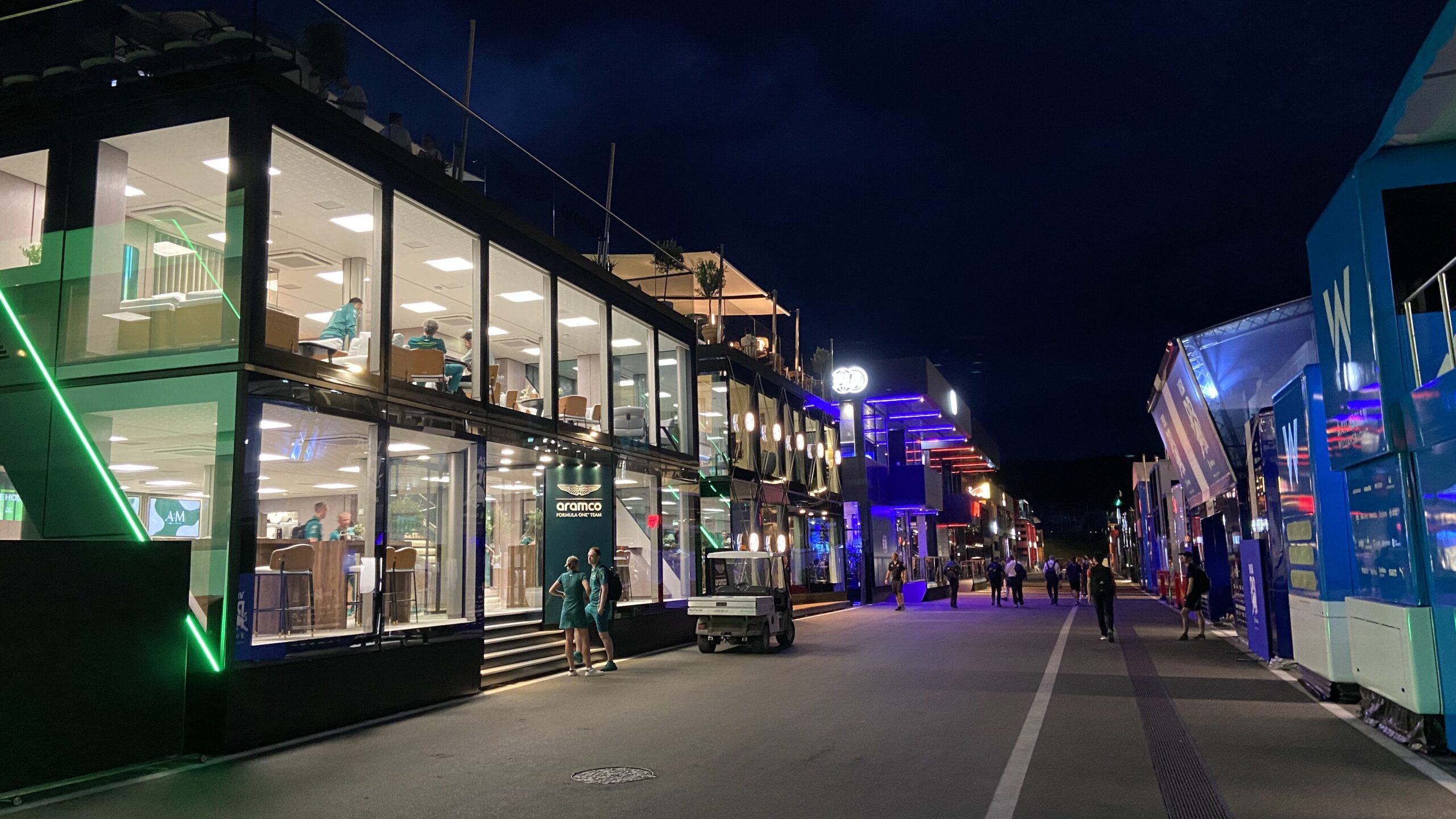
The drivers are all at the track. The paddock fills up more each day.
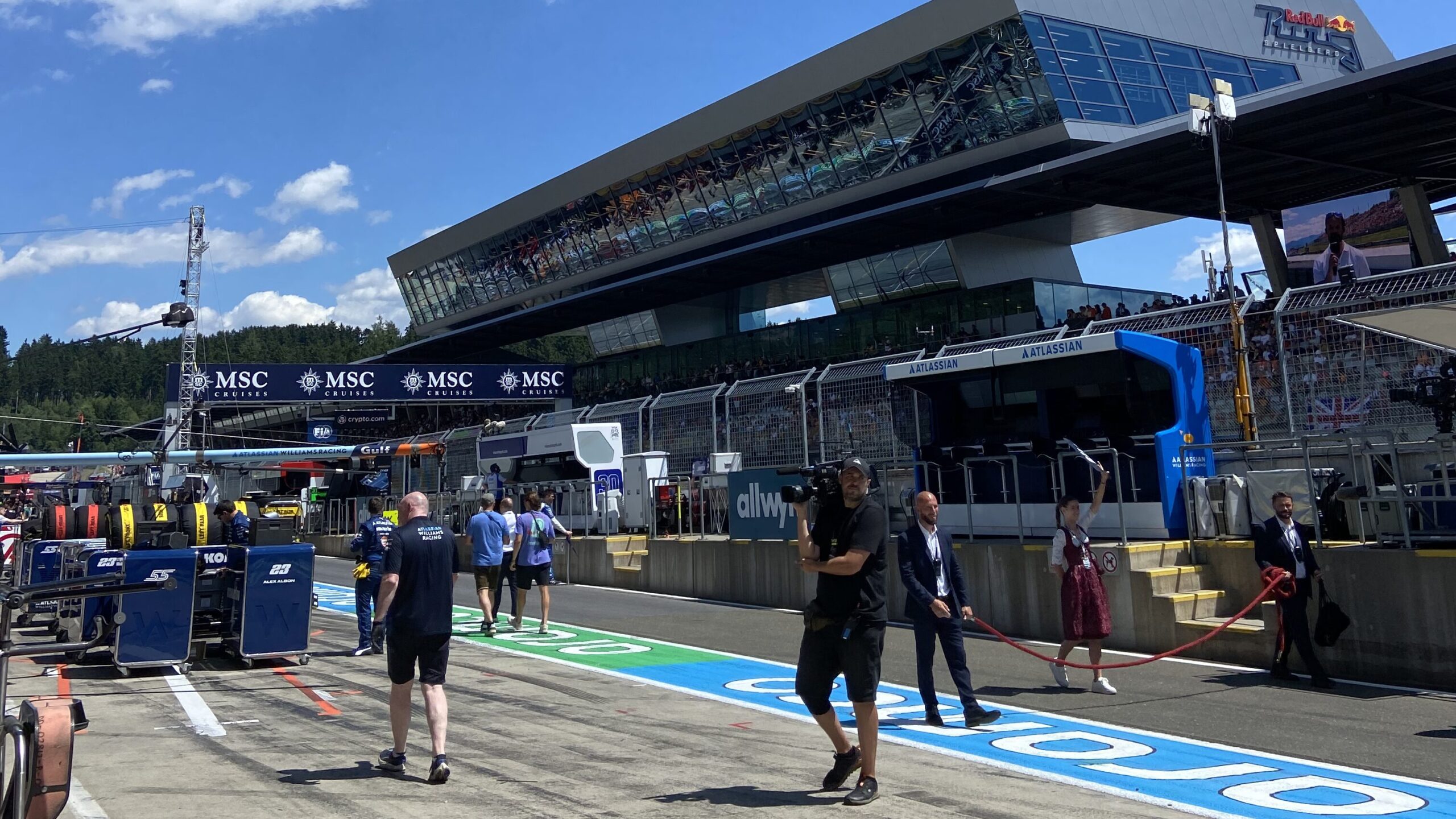
For most of us, D1 is the toughest. Maximum activity. Two practice sessions: FP1 and FP2. Lots of items to test, run plans to complete. Endless meetings, briefings, debriefs. It’s intense. A typical day runs from 8am to 8pm, squeezing every minute until the FIA curfew kicks in, which is the hard deadline by which we have to be out of the circuit.
We brief the drivers on what they’ll be doing in the sessions. How the track will feel, what setup they’re running, what tools they have to handle any issues they encounter during the session.
The session itself can be incredibly chatty. Channels firing non-stop on the intercom panel. Factory, Reliability, Performance, Strategy, Tyres, Car channels, Power Unit, Operations… there are so many that sometimes you have to mute a few just to focus. The information flowing needs to be abbreviated, concise, clear. Specialists from each department are deep in the data, pulling out takeaways and feeding them to the track engineers. We then condense it further for the drivers and take the necessary actions. Lots of movement. Lots of stress. It’s in these two hours of practice that you have to extract as much understanding as possible for the whole weekend.
After the sessions wrap up, we capture all the information, iterate on car setup during the session, and then comes the moment to debate what we’ve learned, assimilate it, decide on setup directions for the weekend. Process the data. Analyse everything.
During D1, meals are quick—sometimes even eaten in front of the laptop in the treehouse. Things move fast here.
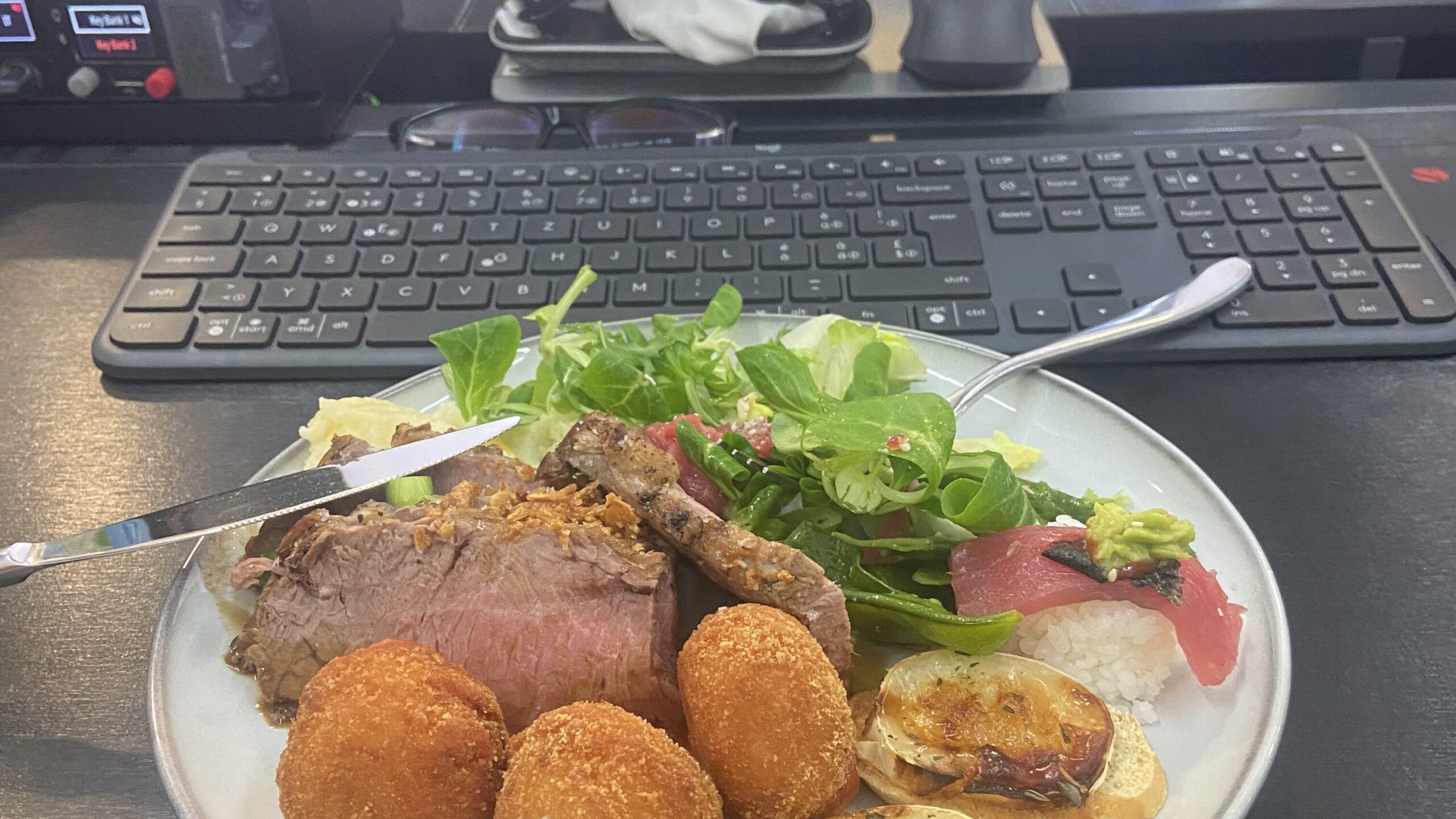
End of the day. Back to the hotel to rest for Saturday’s action.
Qualifying day.
We arrive at the paddock with a clear picture from the day before.
Just one more session—FP3—and then we’re ready for Qualifying. By now, the paddock is completely full. We need to lock in our chosen setup because from this moment on, whatever we use in Q will be what we run in the Race too. Only minimal changes allowed: front wing flap angle, tyre pressures, or selecting different electronic settings.
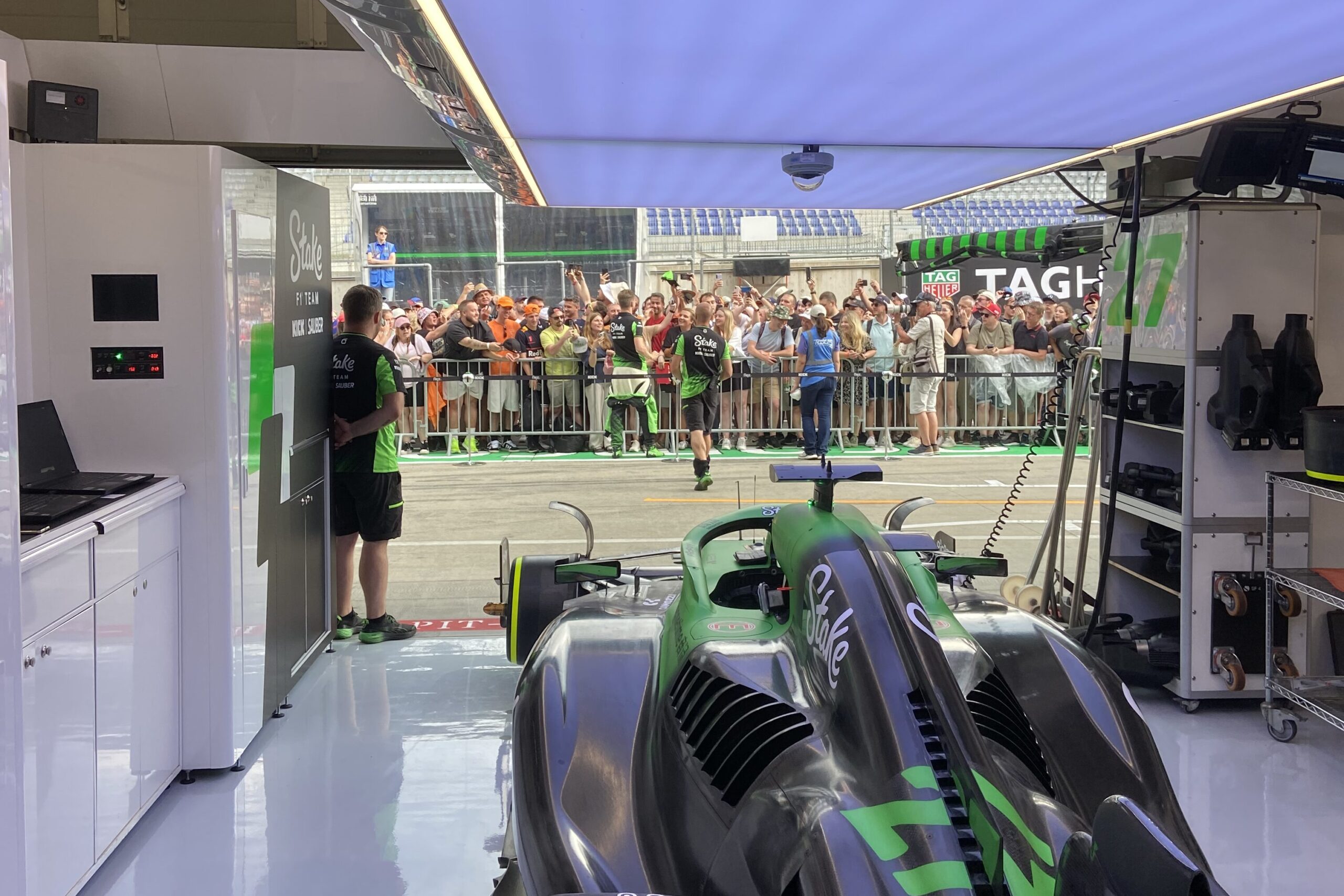
Qualifying approaches. Pressure is at its peak. We’re clear on the setup, how to prepare the tyres, the laps we need, the target temperatures… Strategy steps in to help with timing—when to go out, the evolution between sessions. Everything is meticulously studied and executed with precision. Time to go out and put the plan into action.
After Qualy, as always: debrief. Analyse what went well, what was average, what went wrong. Always learning. Always improving. And to close the day, another quick run around the circuit again!
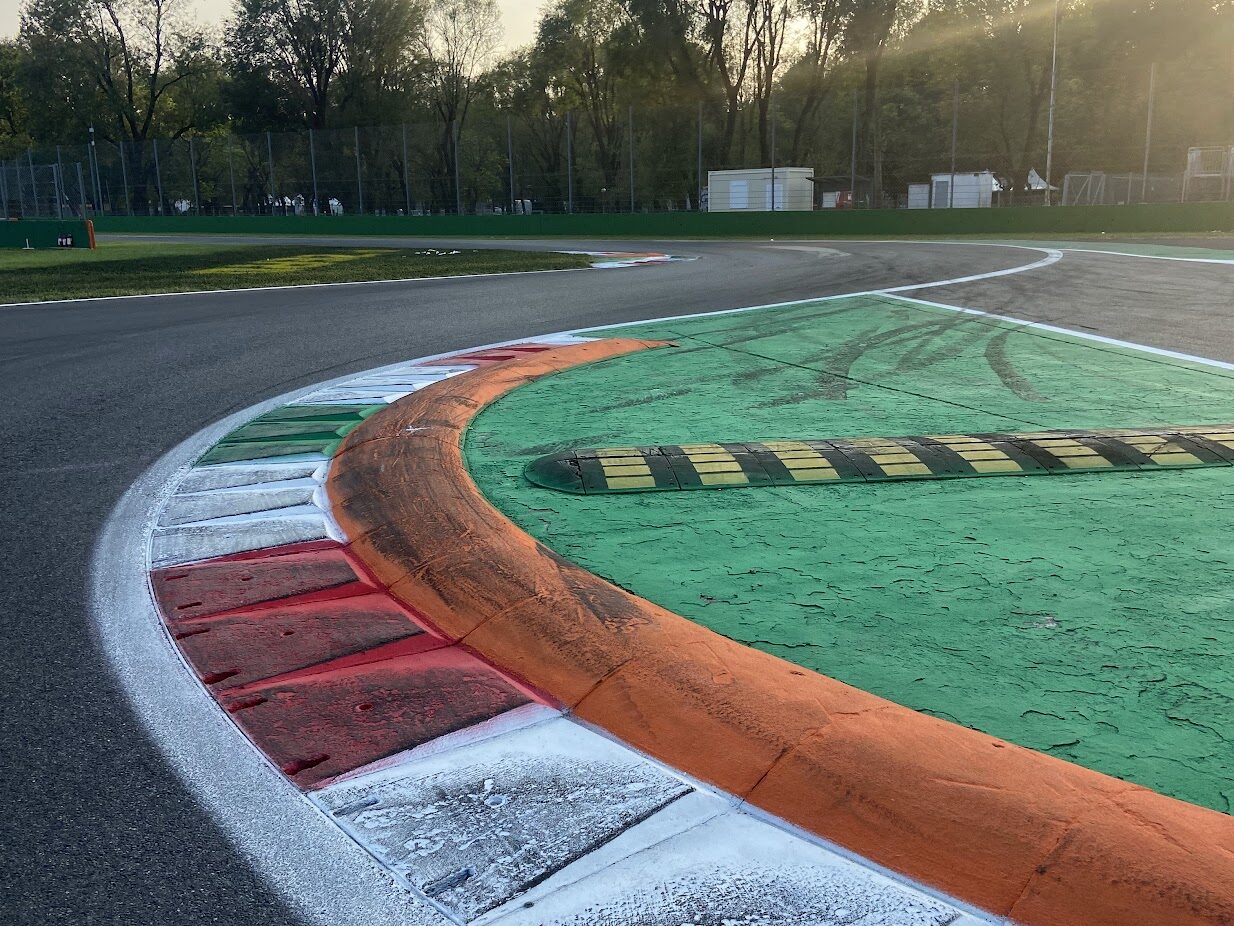
Dinner at hospitality, a bit more relaxed now. Getting ready for Sunday.
Lots of meetings now, with the strategy department taking center stage. They’re the ones with the authority to adapt things, and they now have maximum information to make decisions and adjust. The driver is obviously heavily involved in these discussions too—their preferences carry weight, they have a word on it.
Check out of the hotel because today, once the race ends, you’re flying straight back home. It’s all frantic.
At this point, you rely on everything you’ve prepared. There’s not much you can adjust anymore. It’s actually a slightly calmer day because most things are locked in. We finish discussing a few operational points about the car, and then it’s time for the laps to the grid—optional installation laps to feel the track, check if everything is as expected, and fine-tune the car balance with flap adjustments.
During the race, there’s so much to monitor—just like the rest of the weekend, but with more urgency and higher stakes. Systems, tyres, aero, suspension… If something fails, you walk away with zero points and a blank weekend.
We analyse everything we can in real-time: competitors, their lines, their strategies. Each team has different departments, each watching something live. Some people are focused on rivals, others on strategy…
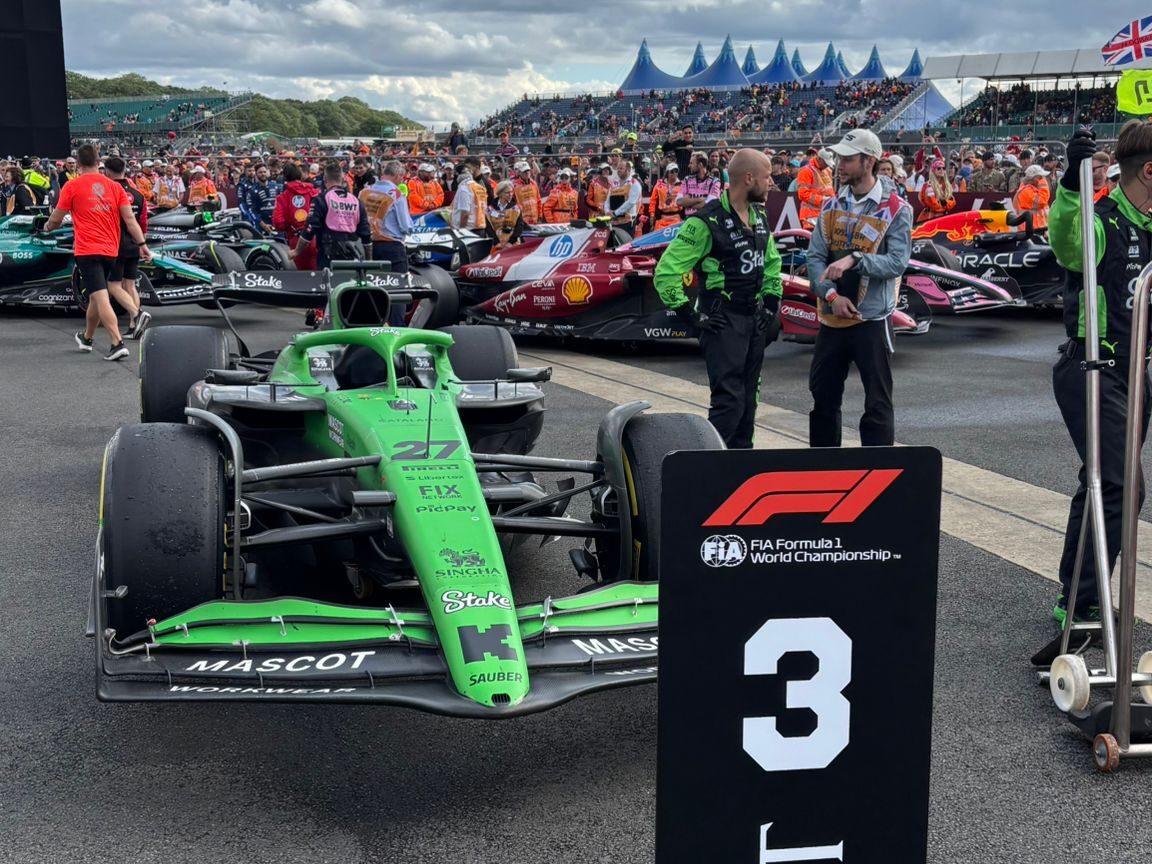
If everything goes well, you’ll celebrate with champagne, knowing your team is bringing points home.
All your hotel stuff—suitcase, backpack—is already at the track by the time the celebrations end. Then it’s a mad dash back to the airport to catch the flight home.
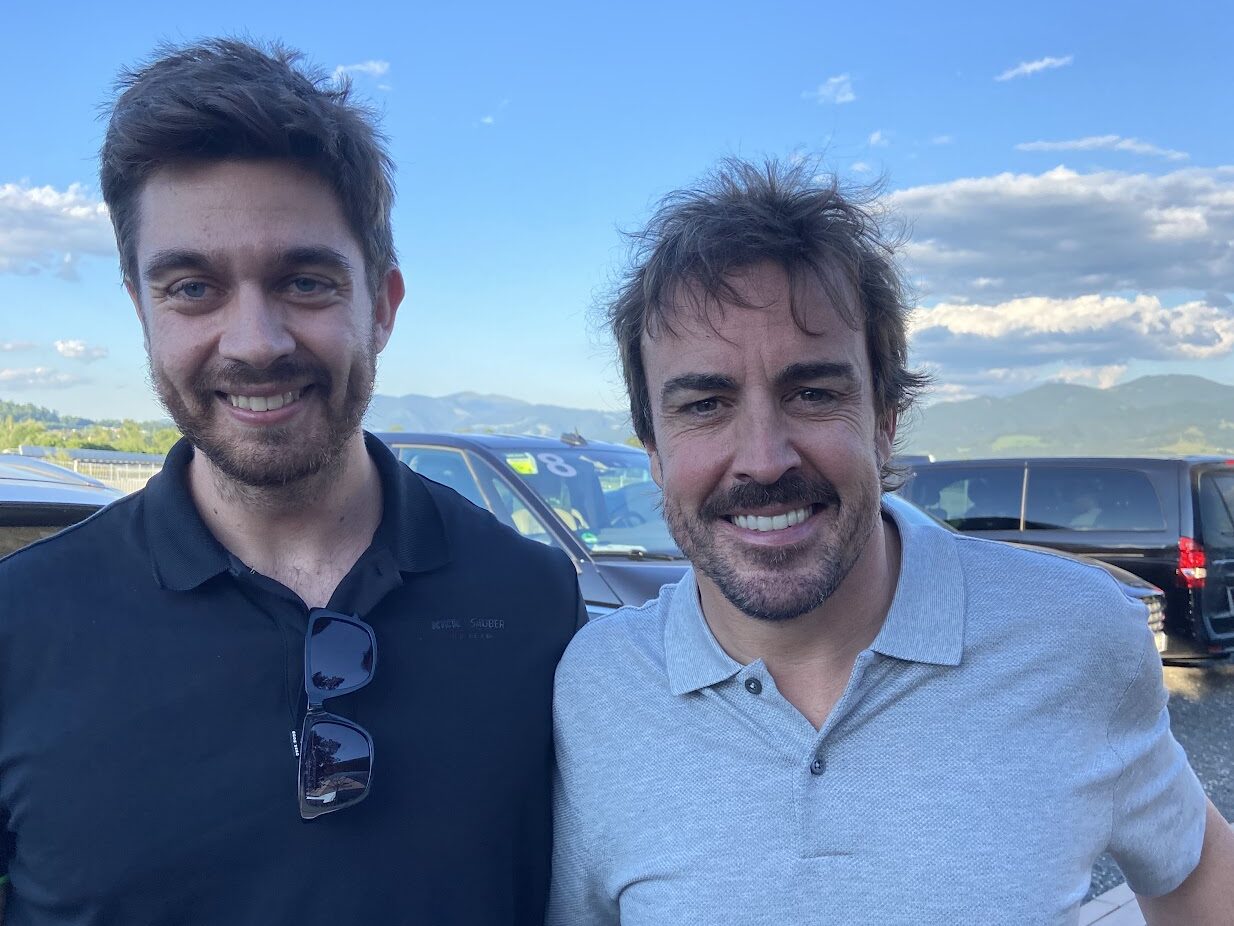
Bonus track for meeting your heroes around the paddocks and airports. These are the faces after a long, exhausting weekend!
Now it’s time to get back home and do it all over again tomorrow morning.