 Hire with us
My Account
Hire with us
My Account
When you think of Formula 1, images of champagne-spraying celebrations, private jets, and glamorous paddock parties likely come to mind. But behind the flashy exterior lies a harsh reality for the engineers and technical staff who make these multi-million dollar machines fly. The truth about F1 salaries might surprise you, and it reveals a sport that runs more on passion than on paychecks.

Since the introduction of F1’s budget cap in 2021, the financial landscape of the sport has shifted dramatically. Teams are now limited to spending around $135 million per season (with some exceptions for driver salaries, marketing costs, and a few other excluded categories), and every pound counts. Every £1,000 spent on salary is £1,000 less available for manufacturing parts, running wind tunnel tests, or hiring additional staff.
In today’s cost-capped environment, teams simply cannot afford to have people sitting idle or throw money at problems the way they once could. Before the budget cap restrictions, there was more financial flexibility, and senior staff and long-standing team members built respectable salaries that teams have largely honored to maintain stability and protect institutional knowledge.
However, for newcomers entering the sport today, the reality is different – the golden era of F1 engineering compensation has passed.
If you’re imagining six-figure salaries for every F1 employee, prepare for disappointment. Most F1 interns across the grid earn around £24,000 in the UK, with consistency across teams, and additional bonuses may come from race wins and championship points depending on team agreements.
These entry-level positions are fiercely competitive, with graduates often accepting these modest figures just to get their foot in the door. Experienced professional engineers typically earn between £38,000-44,000 – remarkably close to the UK median salary for similar seniority roles in other engineering sectors like aerospace, automotive, or defense.

Yes, you read that correctly. The glamour doesn’t translate to premium pay, and a senior aerodynamicist at an F1 team might earn less than a counterpart working on commercial aircraft design.
These figures can vary between teams, but the picture is broadly similar across the grid in UK. It’s worth noting that these are base salaries; performance bonuses, race win shares, and championship bonuses can supplement income, but they’re never guaranteed and depend entirely on the car’s success rather than individual performance.
The salary figures tell only half the story, though. F1 engineers routinely put in massive overtime hours in the factory – often 50, 60, or even 70-hour weeks during peak development periods – and these hours typically go unpaid. Many F1 engineers in the UK are forced to share apartments to make ends meet, despite working for some of the most prestigious racing organizations in the world. The cost of living in areas like Oxfordshire, where many teams are based, doesn’t help either.
Track operations staff who work weekends at races around the globe rarely see additional pay for their sacrifice. Instead, they receive compensation days that can be traded or taken as time off in lieu, a system that works for some but hardly compensates for the relentless travel schedule, the jet lag, the time away from family, and the weekend work that consumes what would otherwise be personal time.
A race engineer might spend three weeks away from home during a flyaway stretch, working 12-hour days, only to return to the factory and immediately dive back into preparation for the next event. The romanticism of travelling the world quickly fades when you realize you’re seeing airports, hotels, and circuit paddocks rather than the cities themselves.
So why do people stay? Passion. Pure, unadulterated passion for engineering and the sport.

The people who make it to F1 aren’t motivated by glamour or flashy lifestyles. They’re driven by the challenge of solving complex engineering problems and seeing their work perform on track, the satisfaction of shaving a tenth of a second off a lap time through a clever aerodynamic tweak, and the pride of contributing to a championship-winning effort.
Many of these engineers grew up watching F1, dreaming of being part of it, and they’re willing to make significant sacrifices to live that dream. Teams are fully aware of this dynamic. They know their employees are deeply passionate about the sport, and they leverage this knowledge when negotiating salaries. The unfortunate reality is that many teams play tight with compensation precisely because they know talent will accept lower pay for the privilege of working in F1. It’s a calculated strategy, and it works because the supply of passionate engineers far exceeds the demand.
The numbers back this up. For every position at a top F1 team, there are roughly 200-300 applicants. The talent pipeline is overflowing with qualified engineers eager to break into the sport, many of them holding advanced degrees from top universities with specialization in several fields.
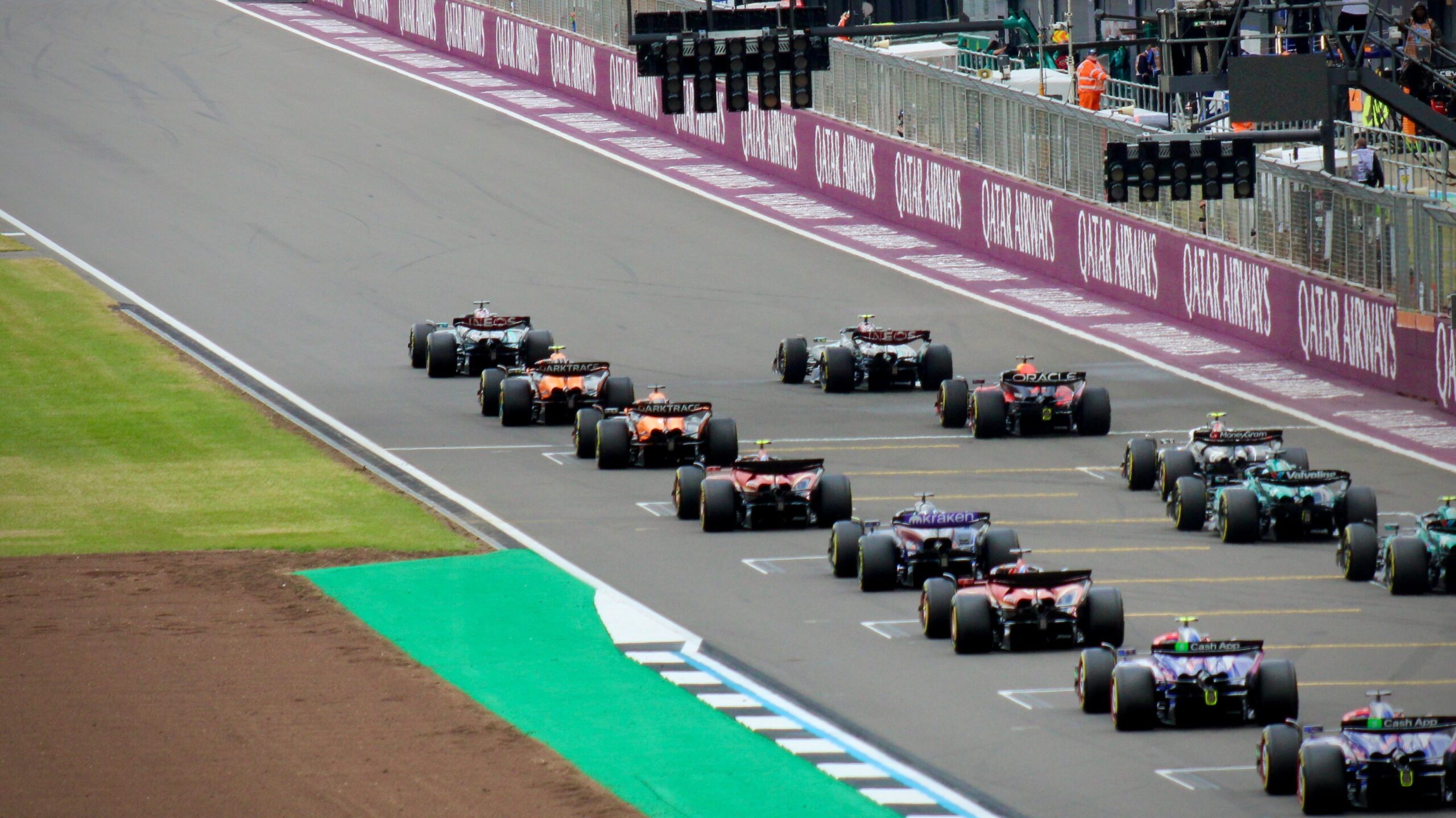
If you don’t accept an offer, there are countless others waiting to take your place. This oversupply puts significant downward pressure on salaries and gives teams enormous bargaining power.
The most significant salary increases typically come when you switch teams and bring specific expertise they need, rather than through negotiating raises with your current manager. If you’re a specialist in tyre modeling or hybrid power unit integration and a rival team is desperate for that knowledge, you can command a premium.
But asking for a raise in your annual review? You’re far more likely to be met with a polite refusal and a reminder of the budget cap constraints or with a very small increment. It’s an unfortunate reality of the industry, but understanding this dynamic can help engineers navigate their careers more strategically, building expertise in niche areas that make them valuable commodities on the open market.
Teams aren’t entirely heartless, though. They understand the importance of retention and morale, so they’ve become creative with perks that don’t count against the budget cap. Team merchandise and apparel, exclusive parties and events, additional benefits and experiences. These items cost the teams money but don’t eat into the precious budget cap allowance, allowing them to keep staff happy while remaining competitive in their battle for the championship.
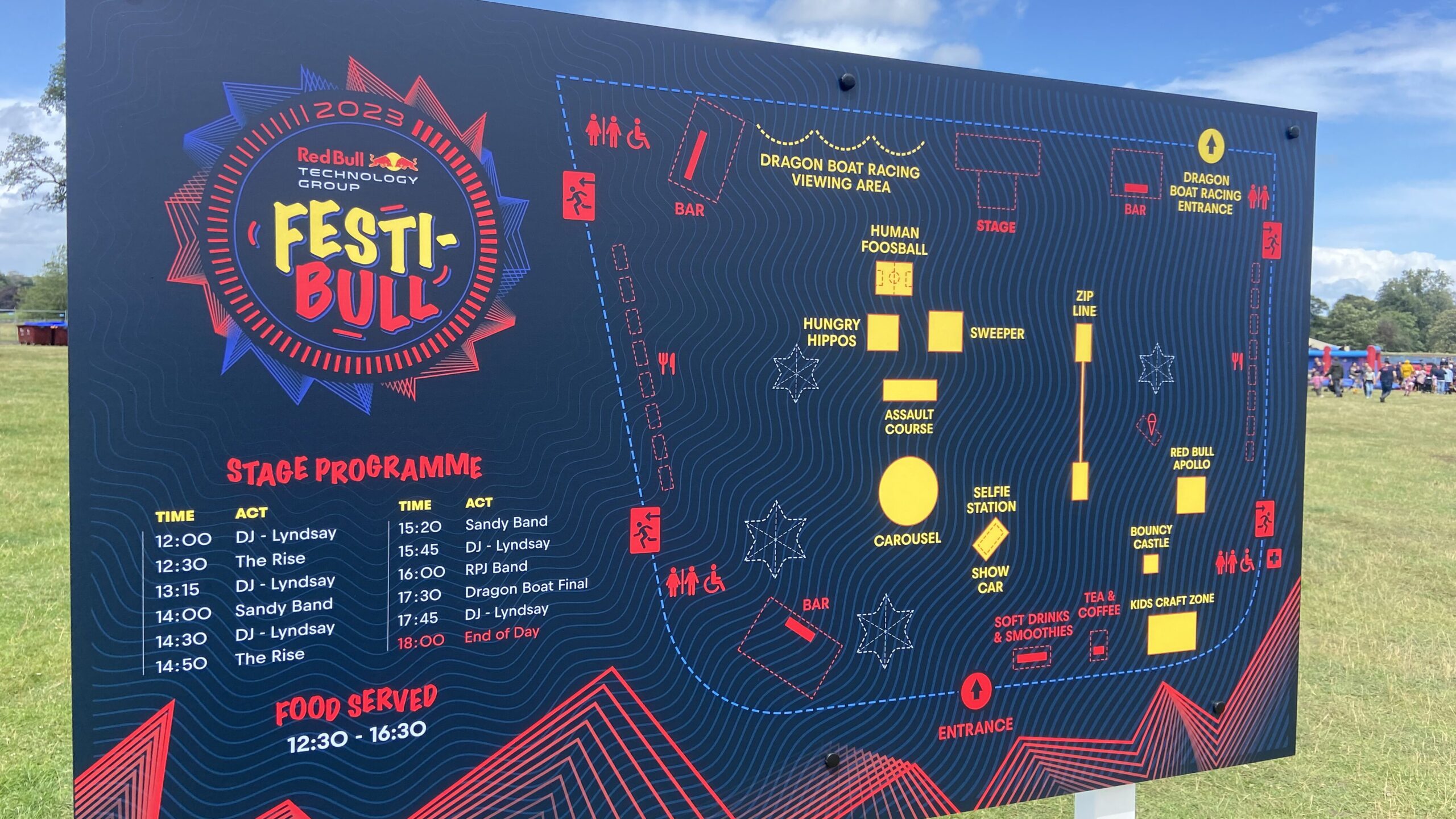
Some teams offer subsidized catering, gym facilities, on-site medical care, and other quality-of-life perks that make the long hours more bearable. It’s not uncommon to see engineers wearing team gear with pride even on their days off, a testament to the deep emotional connection they feel to their work.
F1 is a labor of love. The pay might not match the glamour, the hours are grueling, the competition for positions is fierce, and the financial rewards are surprisingly modest for the level of expertise required.
But for those who make it, the opportunity to work at the pinnacle of motorsport engineering is worth the sacrifice.