Alpine’s Formula 1 base in Enstone is one of the most historic and strategically important facilities in the sport. Established in 1990, the site received a strong financial injection early on, allowing it to build one of the first on-site wind tunnels in Formula 1.
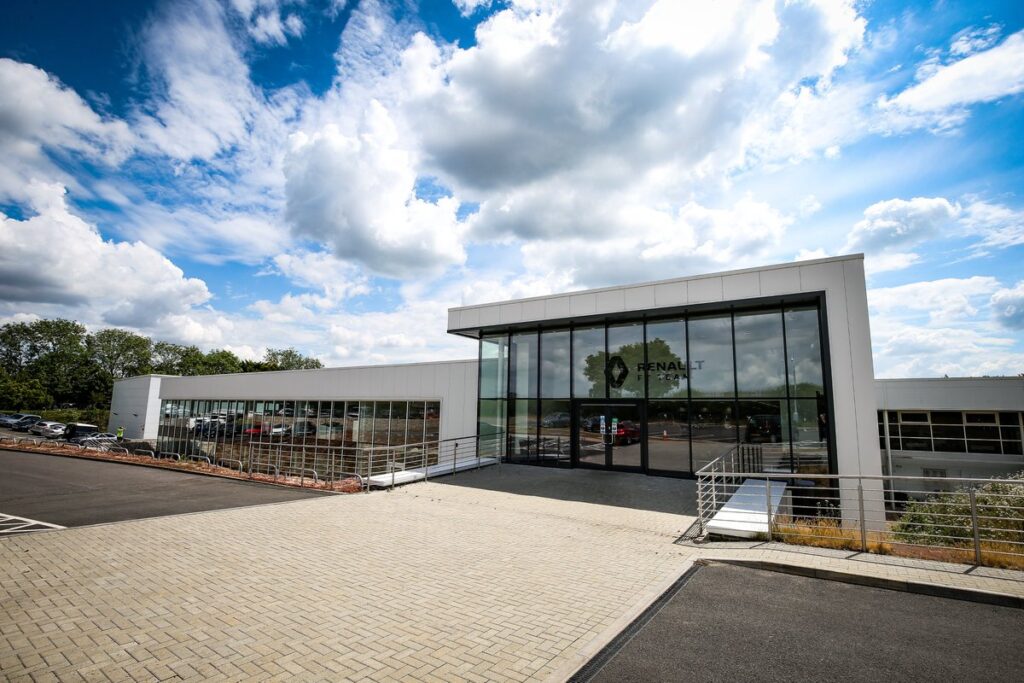
Enstone was a key pillar behind multiple world championships in the late 90s and 2000s. Since then, the team has gone through several name changes and ownership structures, but one thing has remained constant: the infrastructure.
Enstone is located right in the middle of the Cotswolds, which sounds idyllic, but it comes with some realities. You will need a car to get to work. There’s no realistic public transport option, and even for interviews, a taxi is usually required (although the team is very aware of this and most interviews are now done online).
There are several access routes to the factory, but all of them involve narrow, semi-rural roads. The daily commute can feel like a small adventure, especially in winter. When temperatures drop, roads often freeze, and it’s not uncommon to see cars stuck sideways, blocking access entirely.
Insider tip: winter tyres are not a bad idea if you’re new to rural UK driving.
Most employees live in one of three nearby towns:
- Banbury – practical, popular with engineers
- Witney – quieter, more residential
- Oxford – great lifestyle, but noticeably more expensive
From any of these, the commute is typically 20–30 minutes.
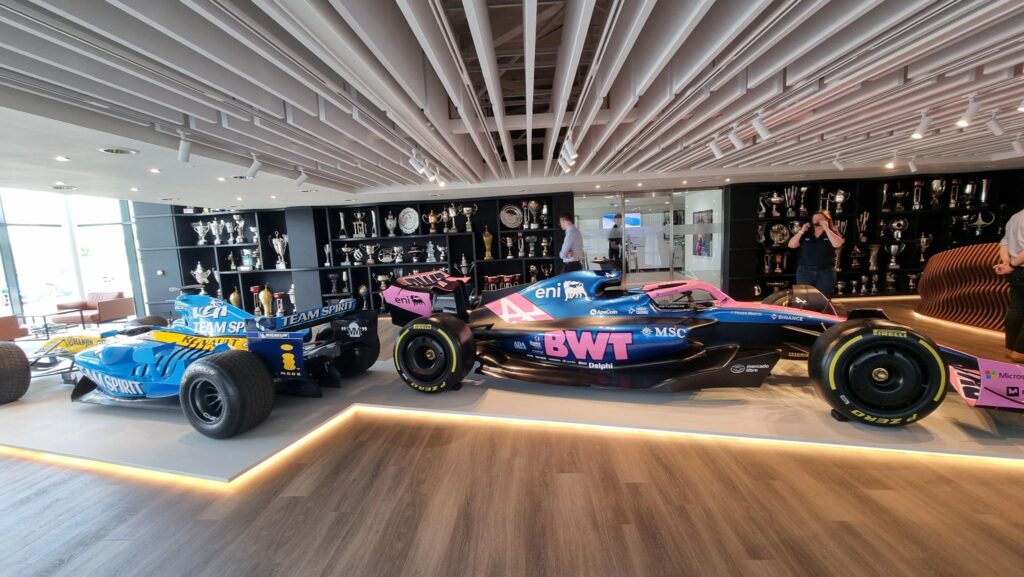
The mentality inside the team is ambitious and forward-looking. Alpine Enstone is a motivating place to work, especially if you thrive in environments where expectations are high and progress matters. One of its biggest strengths is the mix of people:
- Young engineers bringing energy and new ideas
- Senior staff who have been in F1 for decades and have won championships
It’s a fantastic place to learn. You’re often working alongside people who genuinely are geniuses in their field, but without the ego-heavy atmosphere you might expect. The overall culture feels surprisingly family-oriented for a Formula 1 team.
Lunch at the canteen costs around £5, which is very reasonable for an F1 team. You can also bring your own food and heat it up if you prefer. One underrated perk: the surroundings. The factory is surrounded by green fields and open pastures, perfect for a short walk during lunch to clear your head before heading back to the desk.
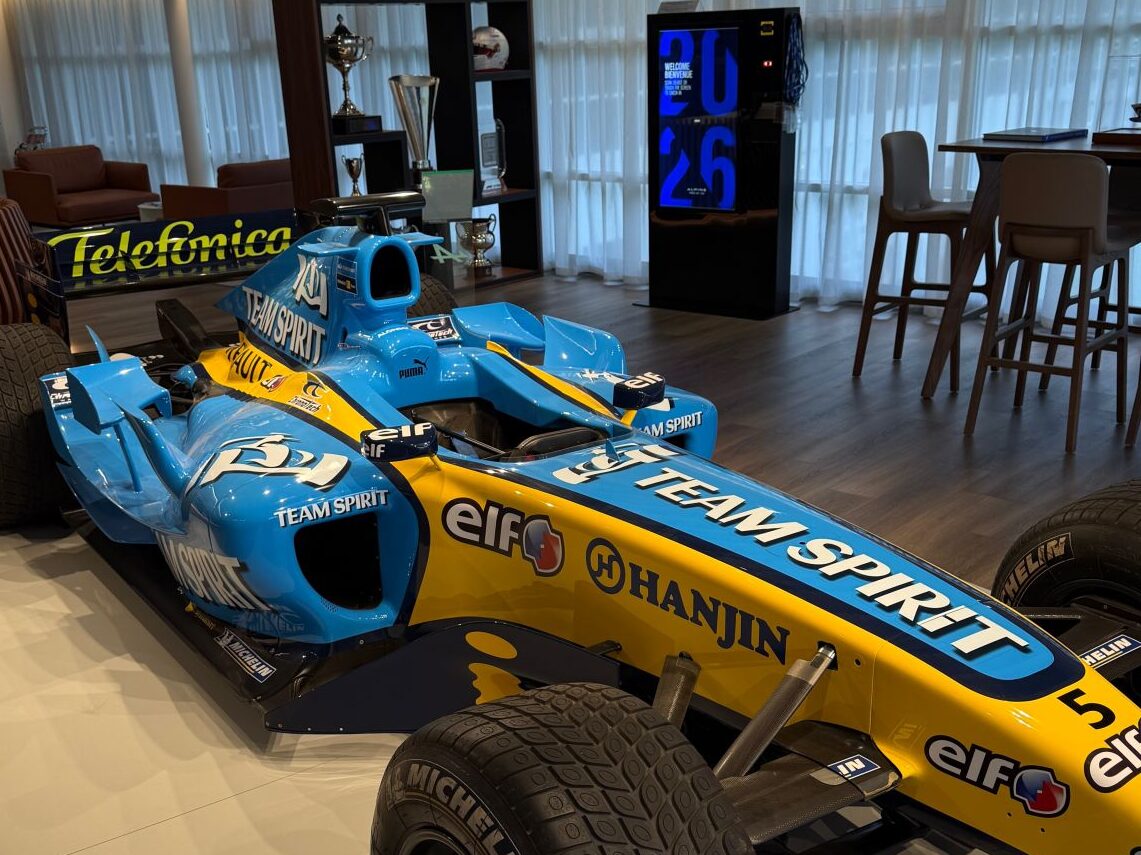
Insider tip: those lunchtime walks are where some of the best technical conversations happen.
Audi F1’s headquarters in Hinwil, near Zurich, is a unique blend of cutting-edge motorsport engineering and the high quality of life Switzerland is known for. Nestled among beautiful mountains and close to sparkling lakes, the location offers both inspiration and tranquility—perfect for those who love nature alongside their career.
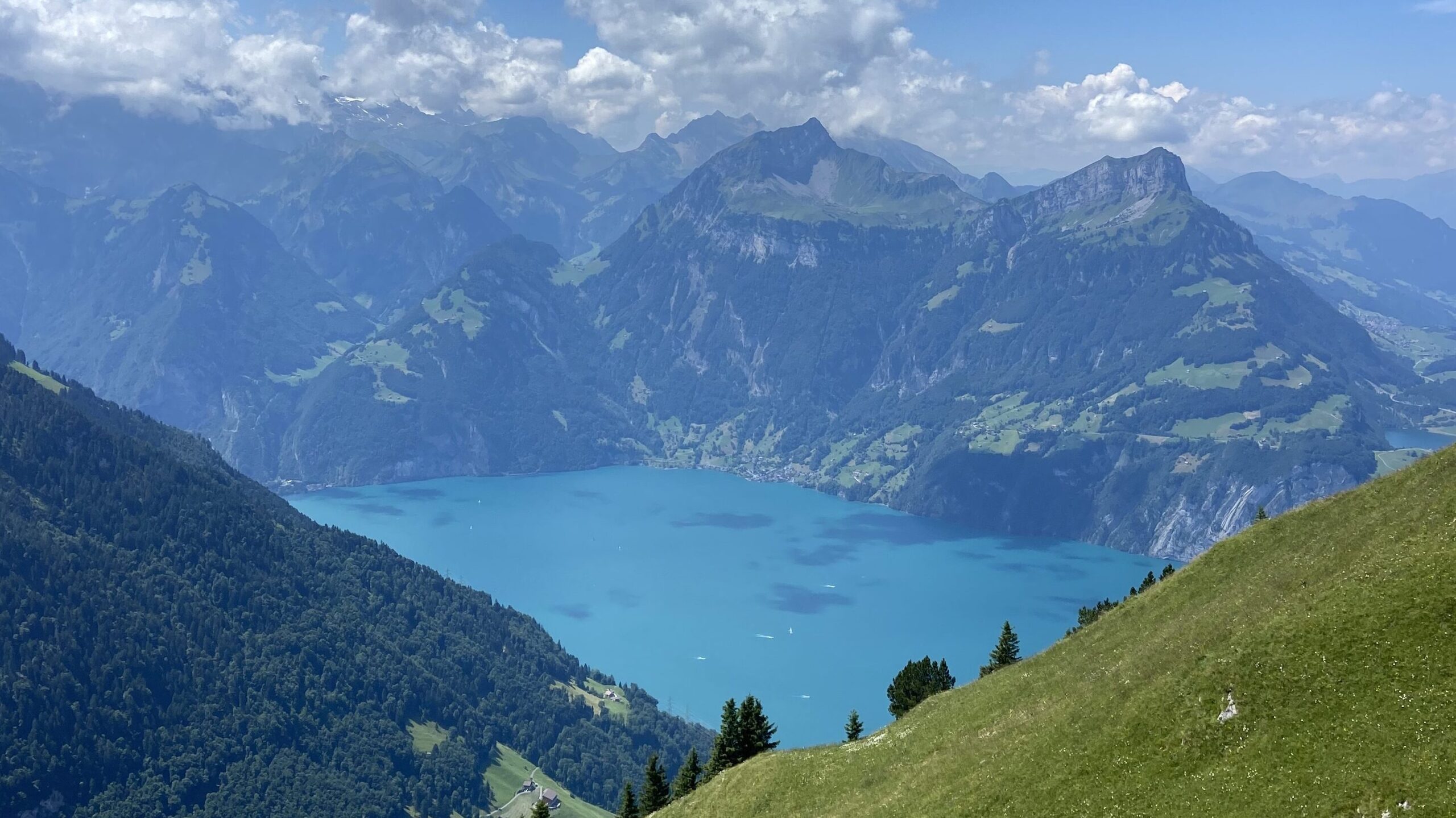
The building itself has been recently renovated and offers top-class offices with a modern, comfortable environment. The team culture is friendly, collaborative, and exciting, driven by innovation and a genuine desire to improve and push boundaries in Formula 1.
But here’s something you should know: the team is in the middle of a massive transition. Until very recently, this was the Sauber factory—Kick Sauber, Alfa Romeo Sauber, BMW Sauber, it’s worn a few names over the years. Now it’s becoming Audi’s factory team, and that means everything is changing. The branding, the processes, the people, the way things are done. It’s an exciting time to be there, but it also means not everything is fully settled yet. Some buildings are still being renovated. Some systems are being migrated. Some things that worked last year might not work the same way this year. If you visit or start working there, expect a bit of controlled chaos alongside the ambition. It’s part of the charm, honestly—you’re getting in on the ground floor of something new.
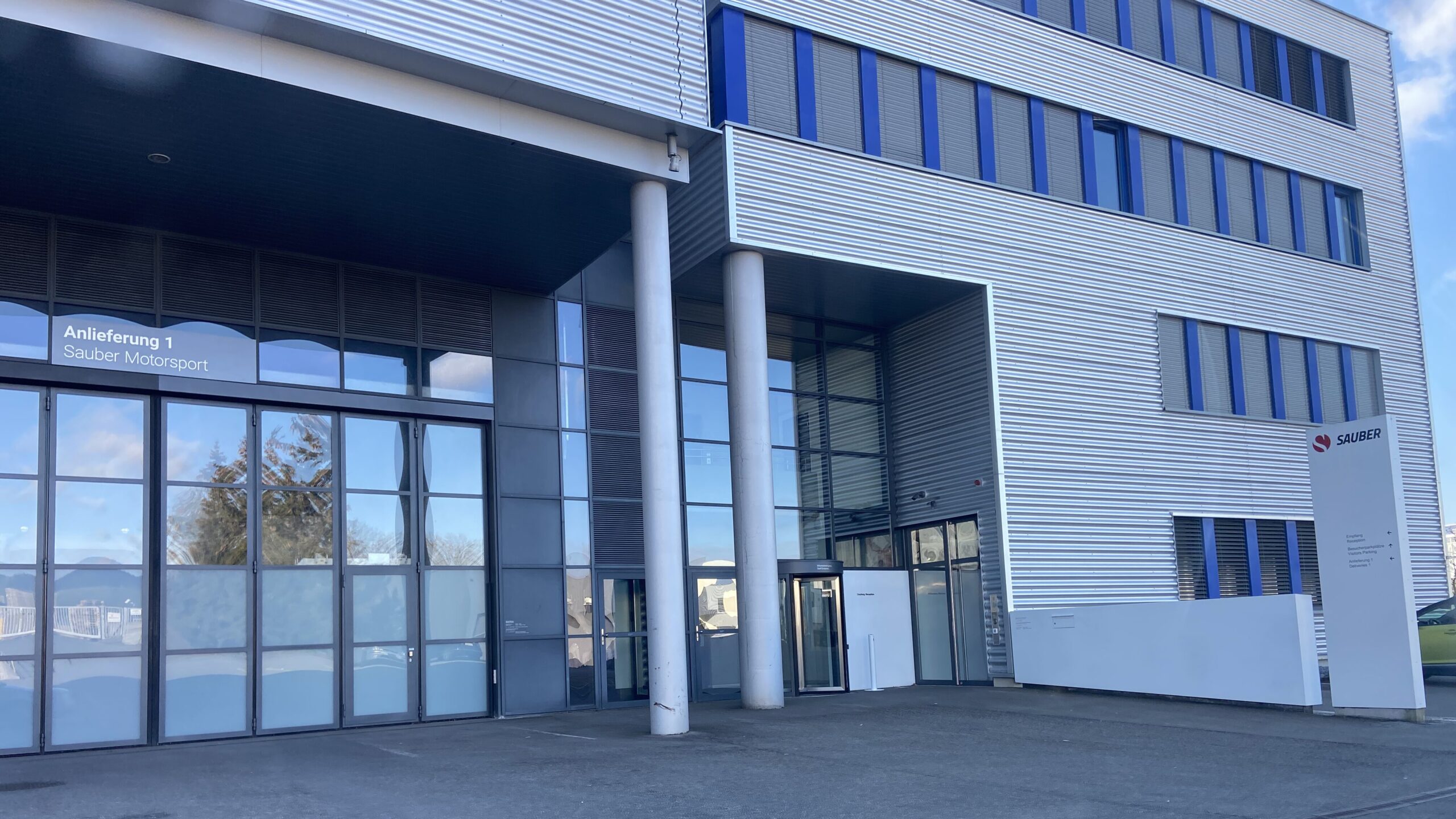
Actually, it’s not just one building—there are two main ones on site. One of them houses the wind tunnel, along with the aerodynamics department, the canteen, and a few event spaces. The other building is where most of the engineering happens on a day-to-day basis. That’s where the design offices are, the simulation teams, the composites workshop, and—crucially—the main reception. If you’re coming for an interview or your first day, that’s where you’ll check in. The two buildings are connected by a bridge, which is a relief because Swiss winters are brutally cold. Trust me, you do not want to be walking outside between buildings in January.
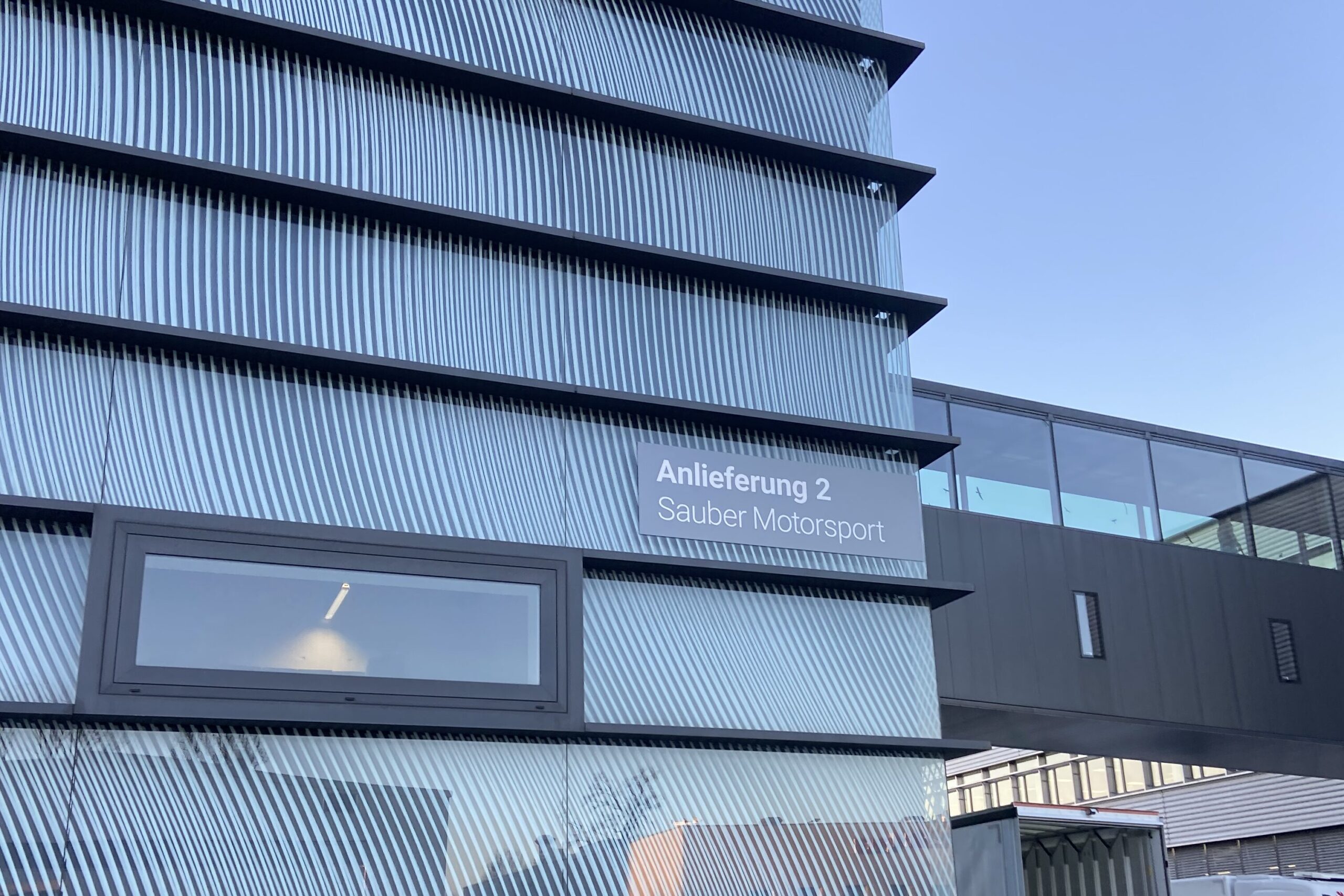
Food and facilities: Audi has its own canteen serving a variety of meal options, and just across the street there’s a small shopping center with additional choices for lunch or snacks. Parking can be tricky, so if you plan to come by car, either arrive early – by 7:15, we mean it! – or make sure you have a guaranteed spot.
Getting there: Zurich is one of the world’s top cities for quality of life, and the Swiss transport system is incredibly reliable. From the airport, trains and buses connect efficiently to Hinwil—just download the SBB app to plan your route to the office for interviews or your first day. You won’t have to worry about getting lost or being late; public transport in Switzerland is punctual and stress-free.
Zurich itself is a fantastic city to live in. It’s consistently ranked among the most liveable cities in the world for good reason. Safe, clean, beautiful, and incredibly well-connected. The train from Zurich main station to Hinwil takes about forty minutes—door to door. The trains run like Swiss trains—which is to say, impeccably. On time, comfortable, frequent, and reliable to the point where you stop checking the schedule because you just know it’ll be there.
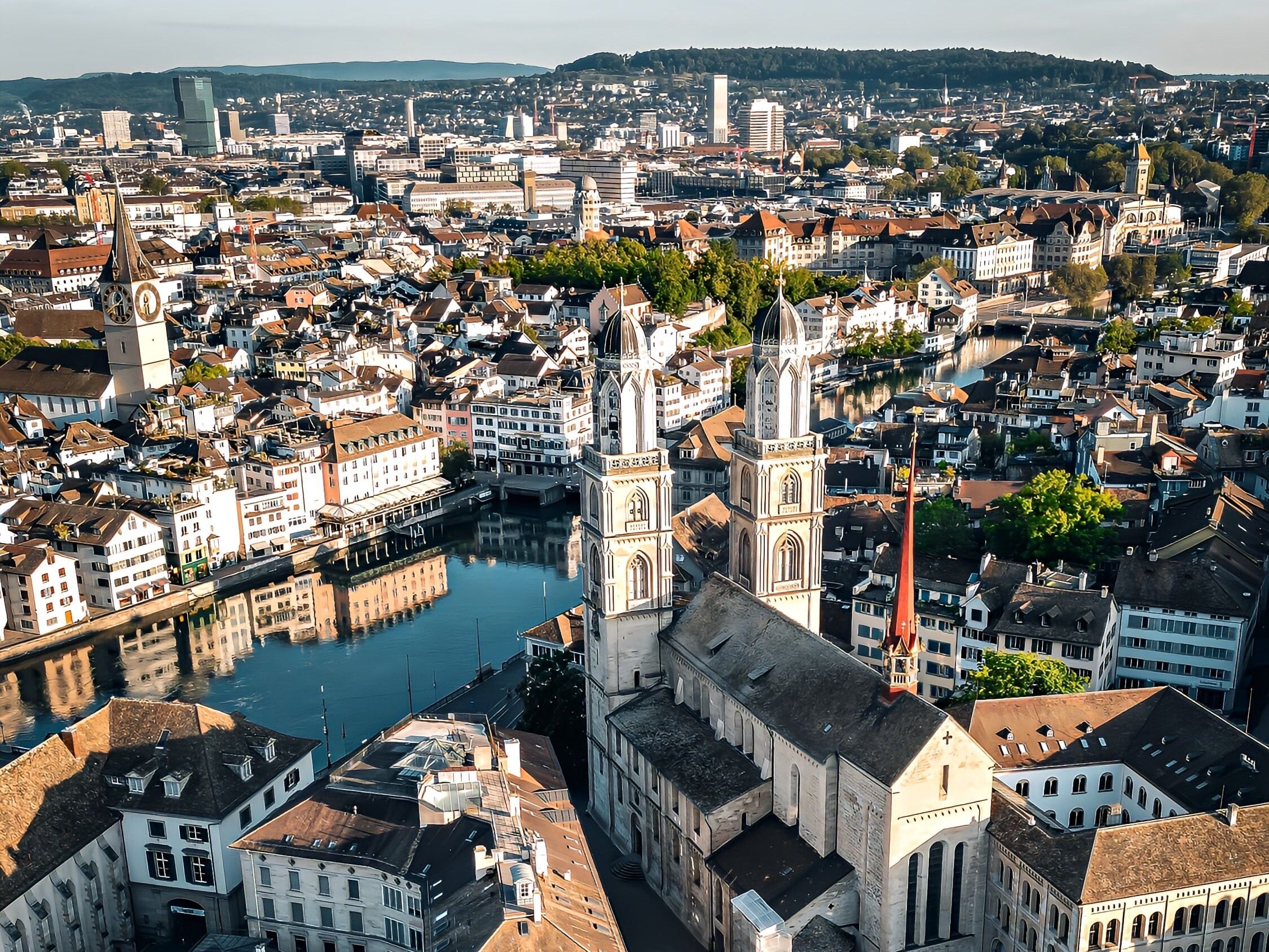
The city itself has everything you could want: restaurants, culture, nightlife, green spaces, lake swimming in summer, Christmas markets in winter. And if you ever get tired of Zurich—which is unlikely—you’re an hour from the mountains, an hour from the airport, and a few hours from most of Europe. The cost of living is high, nobody will lie to you about that. But what you get for that money is safety, efficiency, breathtaking scenery, and a quality of life that’s hard to match anywhere else.
Insider tip: Swiss winters are cold—sometimes down to -10°C, with snow common in Zurich and the surrounding mountains. Make sure to dress warmly if you’re visiting in winter.
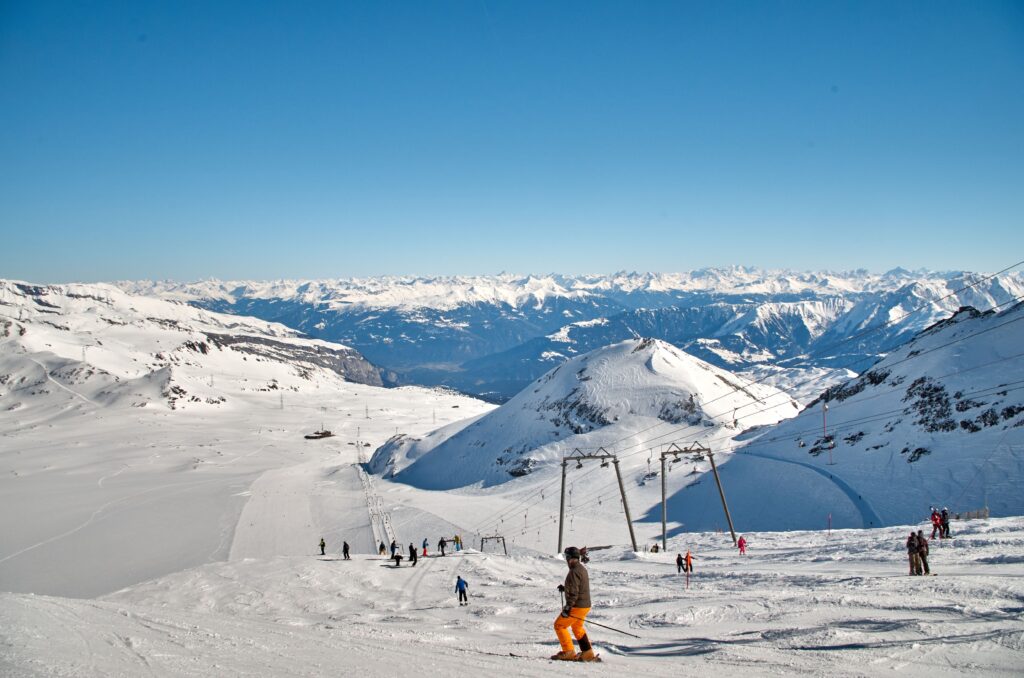
Outside work, Switzerland is a paradise for outdoor enthusiasts. Whether it’s skiing, hiking in the mountains, cycling around lakes, or simply enjoying one of the safest and cleanest countries in the world, there’s plenty to do after hours. While life here may feel expensive, the quality of services, safety, and overall lifestyle often outweighs the cost.
Working at Audi F1 means being part of a team in full revolution mode. This isn’t a place where you just follow orders and keep your head down. The whole project is about building something new, challenging the established order, and pushing into territory that no Audi F1 team has ever explored before. That means there’s real room to make an impact. If you see something that could be done better, you have the authority to speak up, to suggest changes, to actually implement improvements. It’s the kind of environment where good ideas get noticed and where people who take initiative don’t get shut down—they get listened to.
The team is also incredibly international. You’ll be working alongside people from all over the world, speaking a mix of languages, bringing different perspectives and approaches to every problem. And if you don’t speak German? Honestly, don’t worry about it. English is the working language on track and in the factory. You’ll get by just fine. But here’s a piece of genuine advice: learn a bit of German anyway. Not because you’ll need it for work, but because it’s the polite thing to do. For daily life—buying groceries, dealing with local services, chatting with neighbours—a few words go a long way to avoid being “another foreigner” in the country.
Red Bull Racing’s Milton Keynes campus is a place where motorsport dreams come alive, but it’s also full of quirks and realities that you won’t find in job adverts.
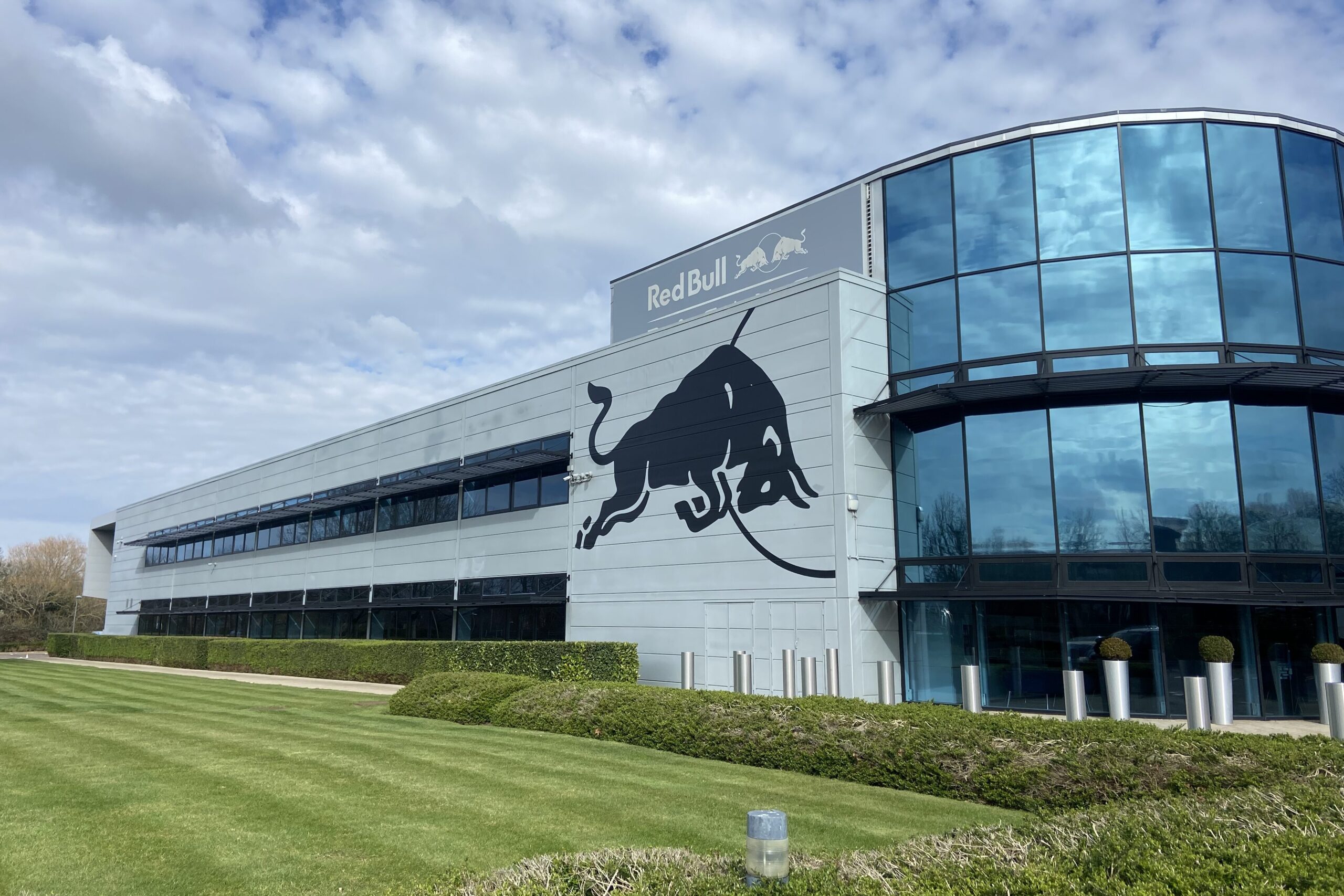
The campus houses three main buildings:
- Red Bull F1: The core of the Formula 1 team, where race cars are designed, tested, and developed to the highest level. This is where the F1 magic happens.
- RBAT (Red Bull Advanced Technologies): Handles a range of innovative projects beyond the F1 team. A word of caution: Some job descriptions may sound close to the paddock, yet the reality is often entirely detached from race-day operations, so check the job before applying! While many working there might like to give the impression they’re working in F1, the reality is unambiguous: RBAT is not part of the Red Bull Racing Formula 1 Team.
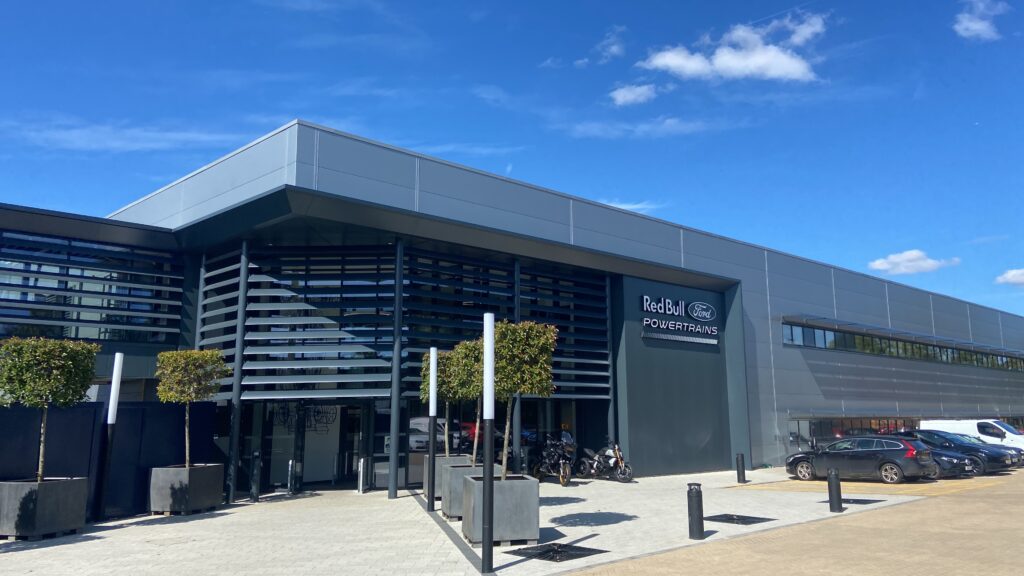
- Red Bull Powertrains: Dedicated to engine and power unit development. If you’re fascinated by what makes a car go, this is the heart of the engineering challenge.
All three buildings sit within a sprawling, well-equipped complex. There are multiple canteens serving breakfast and lunch, a gym, a padel court, and even on-site baristas with free Red Bull on tap—yes, literally free Red Bull. The facilities alone make the campus feel like a mini motorsport city.
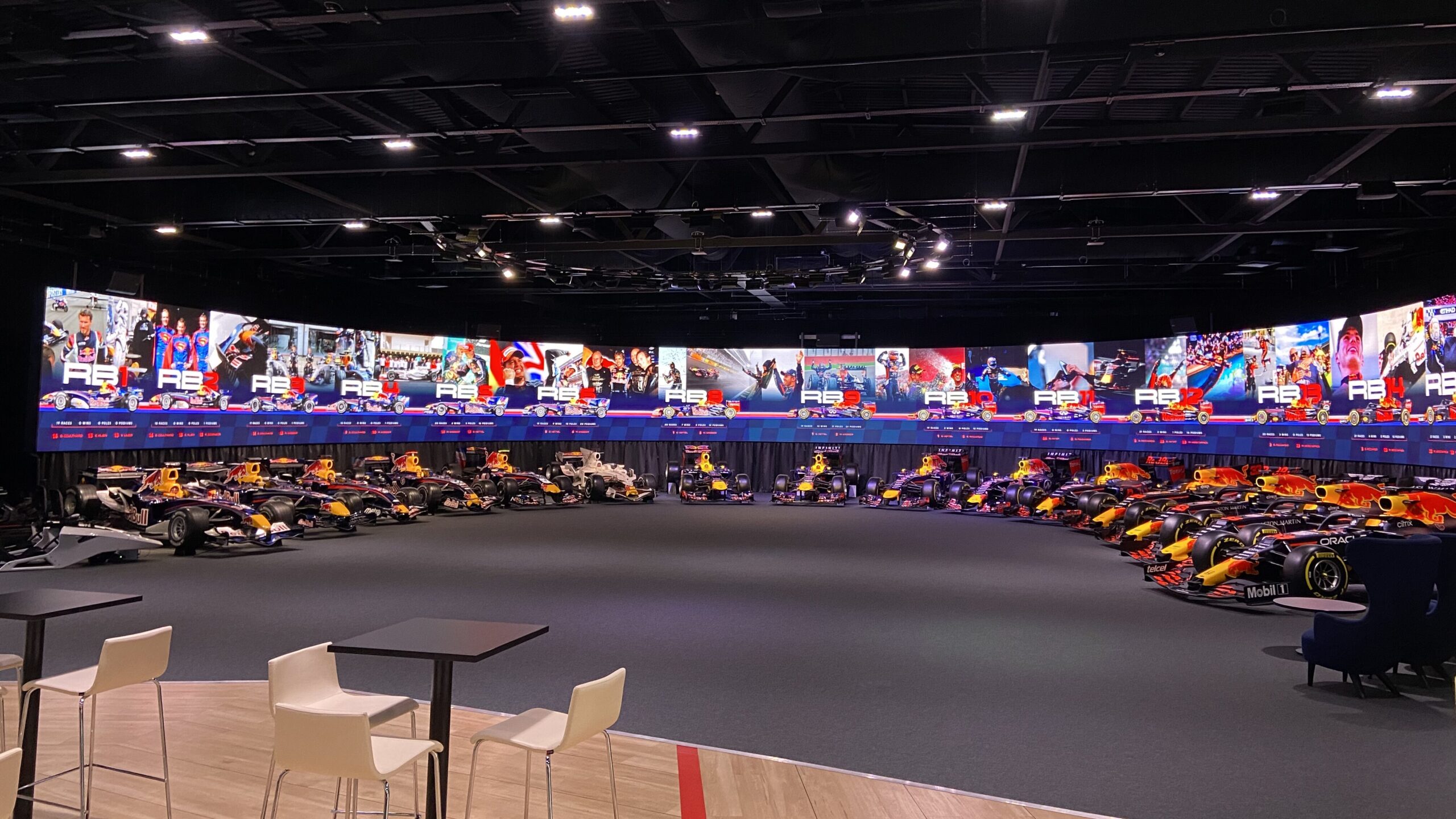
Insider tip: If you have an interview, don’t worry about getting lost—the main reception is very recognizable. Just look for the car on display, and you’ll be in the right place.
Life at Milton Keynes comes with its own character. The city has lots of roundabouts, a reputation for being a bit “quiet,” and it rains… a lot. Most people live locally, but London is about 45 minutes by train if you want a night out or weekend escape. For a breath of fresh air during lunch, the nearby Caldecotte Lake is perfect for a walk to stretch your legs between meetings.
The work itself is intense but rewarding. At Red Bull F1, you’re surrounded by some of the best engineers in the world, pushing the limits of car performance every day. At RBAT and Powertrains, the challenges are different but equally stimulating, from advanced vehicle projects to engine development. Understanding the distinction between the buildings is important—don’t assume that a cool project at RBAT is F1; it might be something equally exciting, but in a different context.
Insider culture tips:
- Free Red Bull is great, but don’t overdo it—you’ll crash eventually!
- Everyone is passionate, focused, and friendly, but expect high expectations. Motorsport is competitive, and the team reflects that.
- The gym and padel court are great for networking—engineers and designers often take a break together during launch or after work, and it’s surprisingly social.
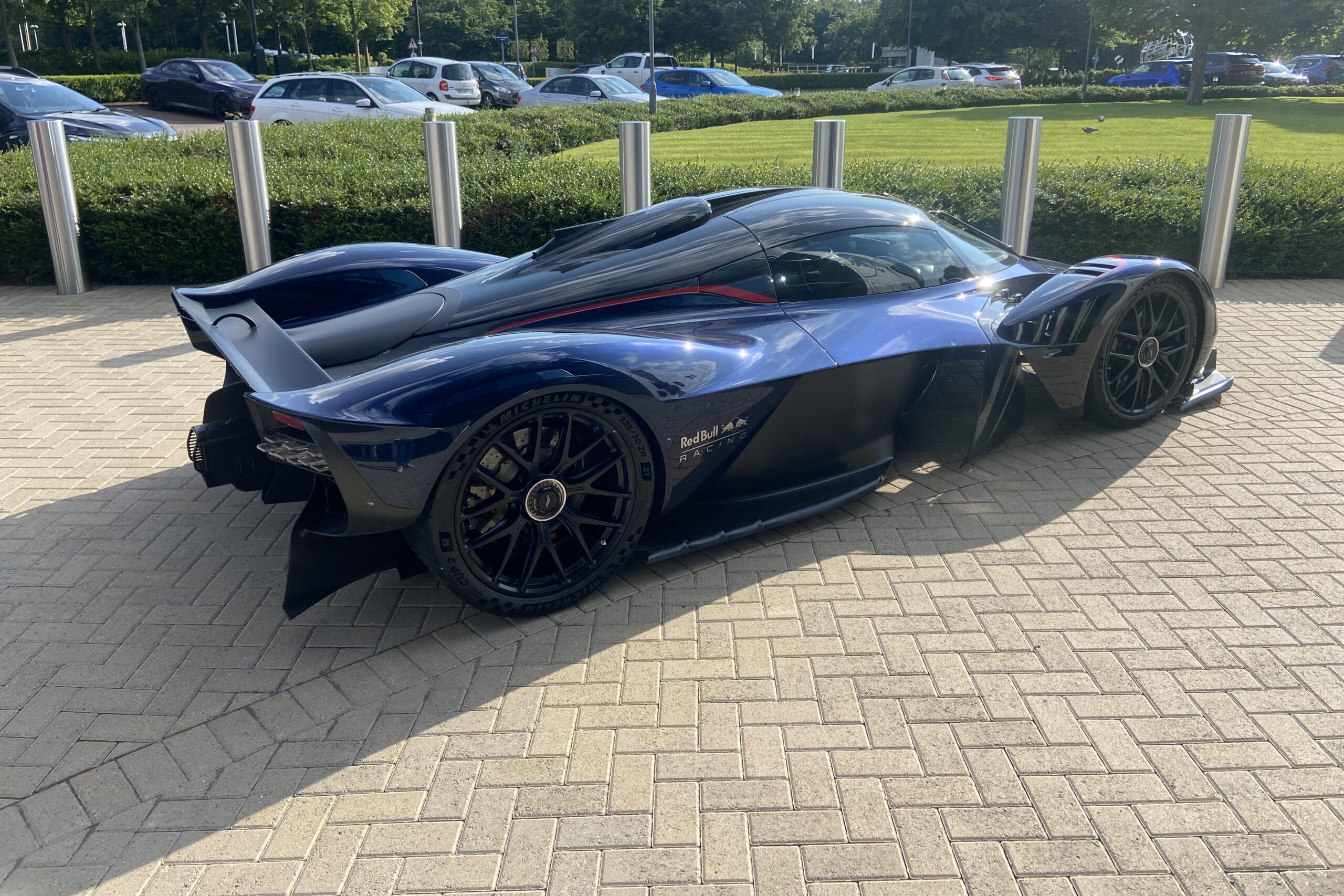
Working at Red Bull Racing is a unique combination of high-performance engineering and lifestyle perks. It’s intense, inspiring, and full of small joys—like walking past a lake on your lunch break, grabbing a flat white from the barista, or spotting the latest F1 car or hyper car outside the entrance.